Scan the WeChat code to contact us
Scan the WeChat code to contact us
A polo shirt looks like the simplest thing on a costing sheet — one body, one collar, two or three buttons. Ask any sourcing team how many rounds it takes to get it right, and you will hear a different story. Collars curl after washing. Plackets ripple. The embroidery sits two centimetres off. Almost every one of those problems is decided before bulk starts, at the specification stage.
SLSPOLO has been making knitwear and sportswear for export since 2009. This page explains what we build, which choices move the cost, and exactly what to send us if you want a quote that does not need three rounds of correction. Everything here reflects how our own lines actually run.
We run four basic polo constructions, and most custom programs start from one of them rather than from a blank sheet. Browse the current shapes in our polo shirt category and send us the one closest to your target — a photograph of an existing garment is enough to start.
If your programme runs to fleece as well, the same minimums and the same sampling route apply — see our hoodie manufacturing page for weights, hardware and decoration options on sweatshirting. For team and golf programmes, see our golf polo manufacturing page; for laser-cut, stitchless builds, see our seamless polo manufacturing page.
Fabric is the single largest line in a polo costing, and it is also the easiest place to lose control. Weight is quoted in grams per square metre (gsm) and stitch structure decides how the garment behaves after washing.
Decide fibre by end use before you ask for a price. A corporate uniform worn weekly for two years needs stability and dimensional recovery; a promotional polo needs to look good in one photograph and hit a number. Those are different fabrics, and the cheaper answer is rarely the same fabric.
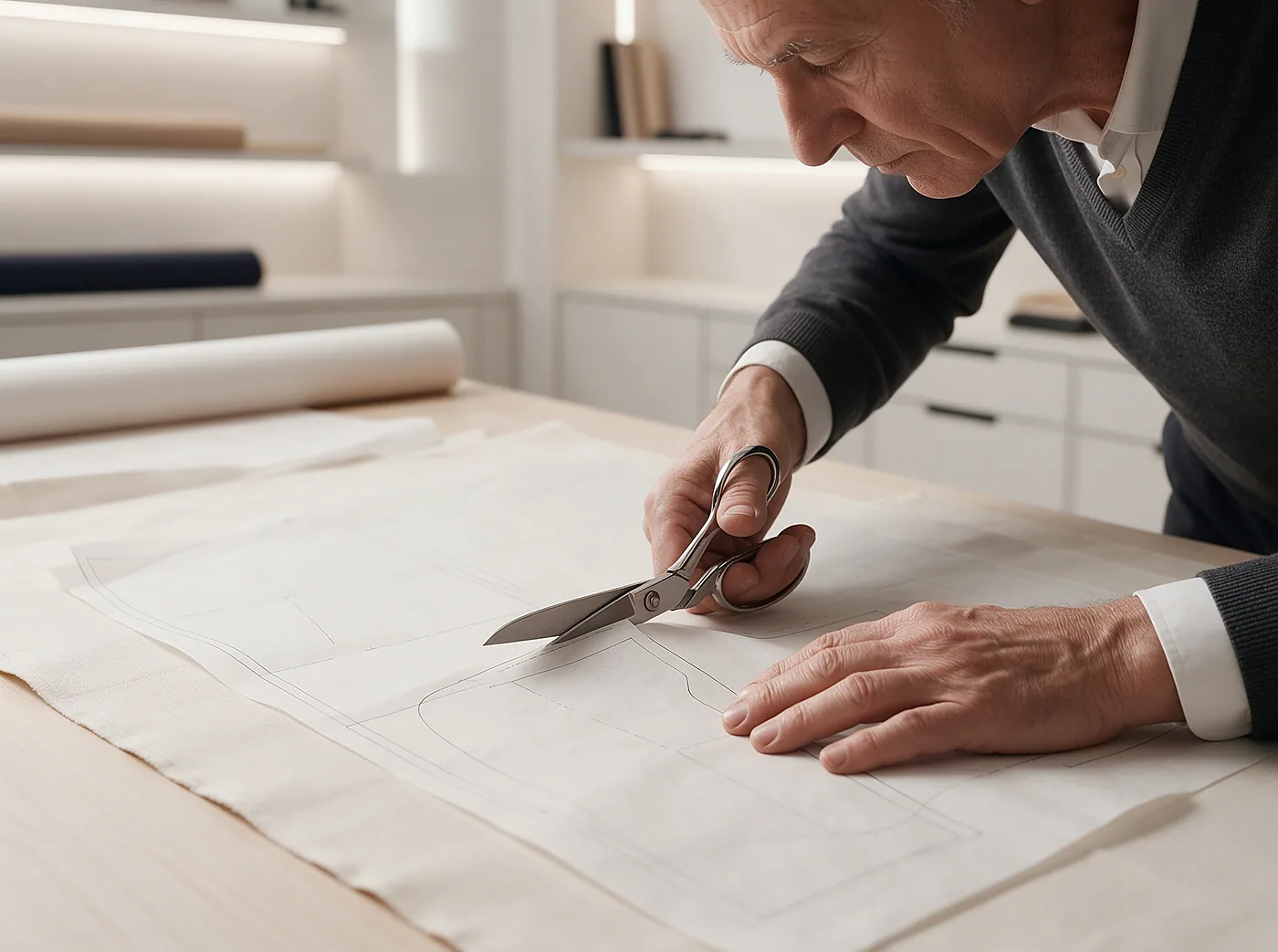
Three components separate a well-made polo from a bad one, and none of them appear in a mood board.
Send these three decisions with your request. Leaving them open means we quote our house standard, which may or may not match the garment you are picturing — and the correction costs you a repeat sample.
Decoration is priced per placement per piece, and small brand programs routinely overspend here because they choose a method before knowing its constraints.
Trim packages are quoted separately: woven neck labels, printed care labels, size tabs, hangtags, individual polybags and carton packing. Tell us whether each item needs to be custom or generic — switching a printed neck label to a stock one often removes more cost than any other single change.
Our published minimums sit between 50 and 220 pieces per style: stock shapes start lower, and a fully custom build — new knit, new pattern, new colourways — sits at the top of that range. How far up or down you land depends on how much of the base garment you change, not on negotiation.
Sample cost depends on how much work the sample actually is: evaluating an existing shape from our showroom is not the same thing as cutting a fresh pattern. Ask us to quote it together with the bulk price so you can see both numbers side by side.
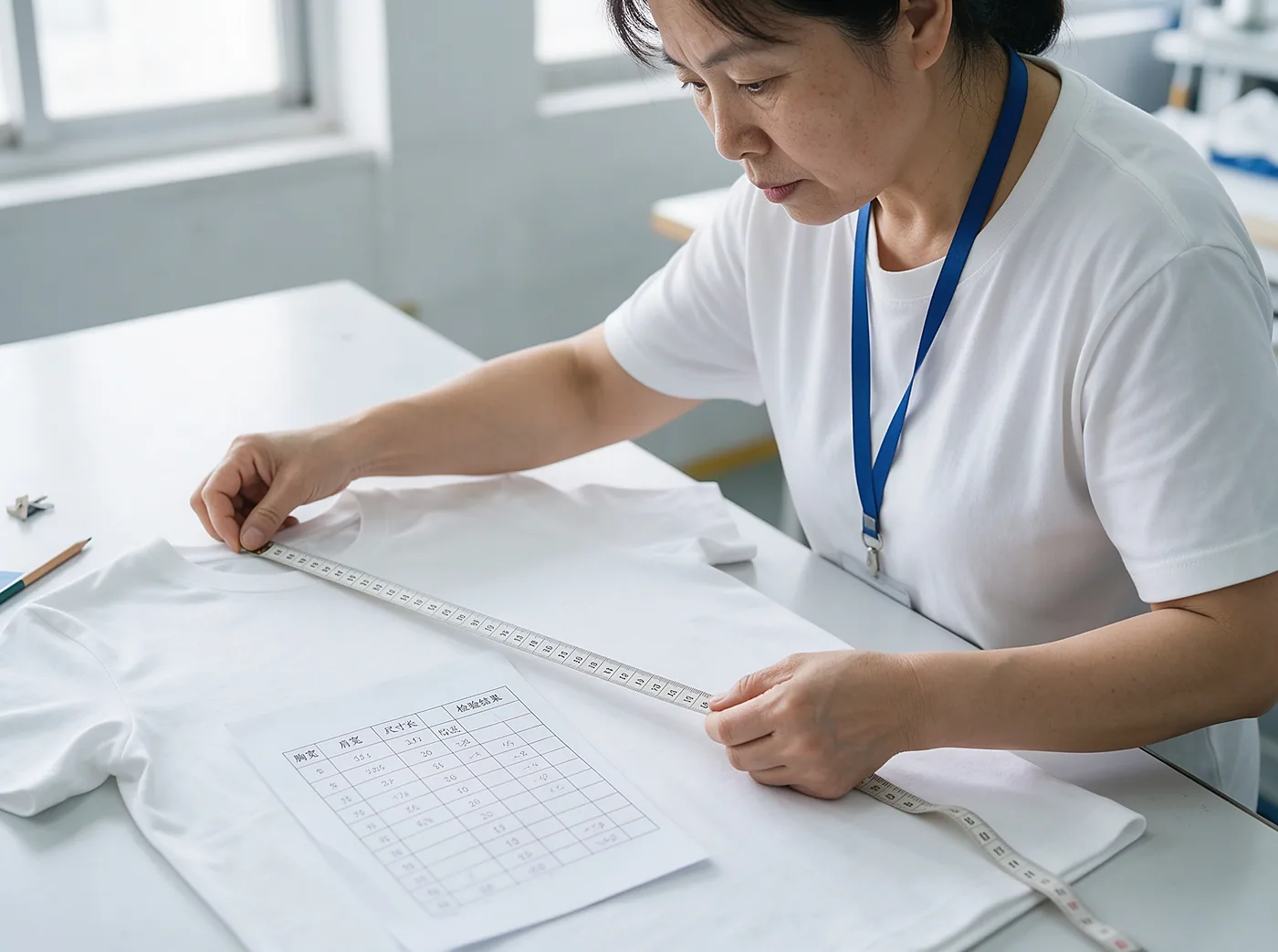
Inspection runs at three points, not one: fabric arriving at the plant, in-line checks while the run is on the line, and a final check against your approved reference sample before packing. Our plant is certified to ISO 9001.
Two brands can buy a visually identical shirt and pay 30% apart. The gap is almost always one of the five variables below.
If you have a target price, tell us upfront. We would rather adjust construction to reach it honestly — lighter gsm, plainer collar, stock trims — than shave quality where you will notice it later.
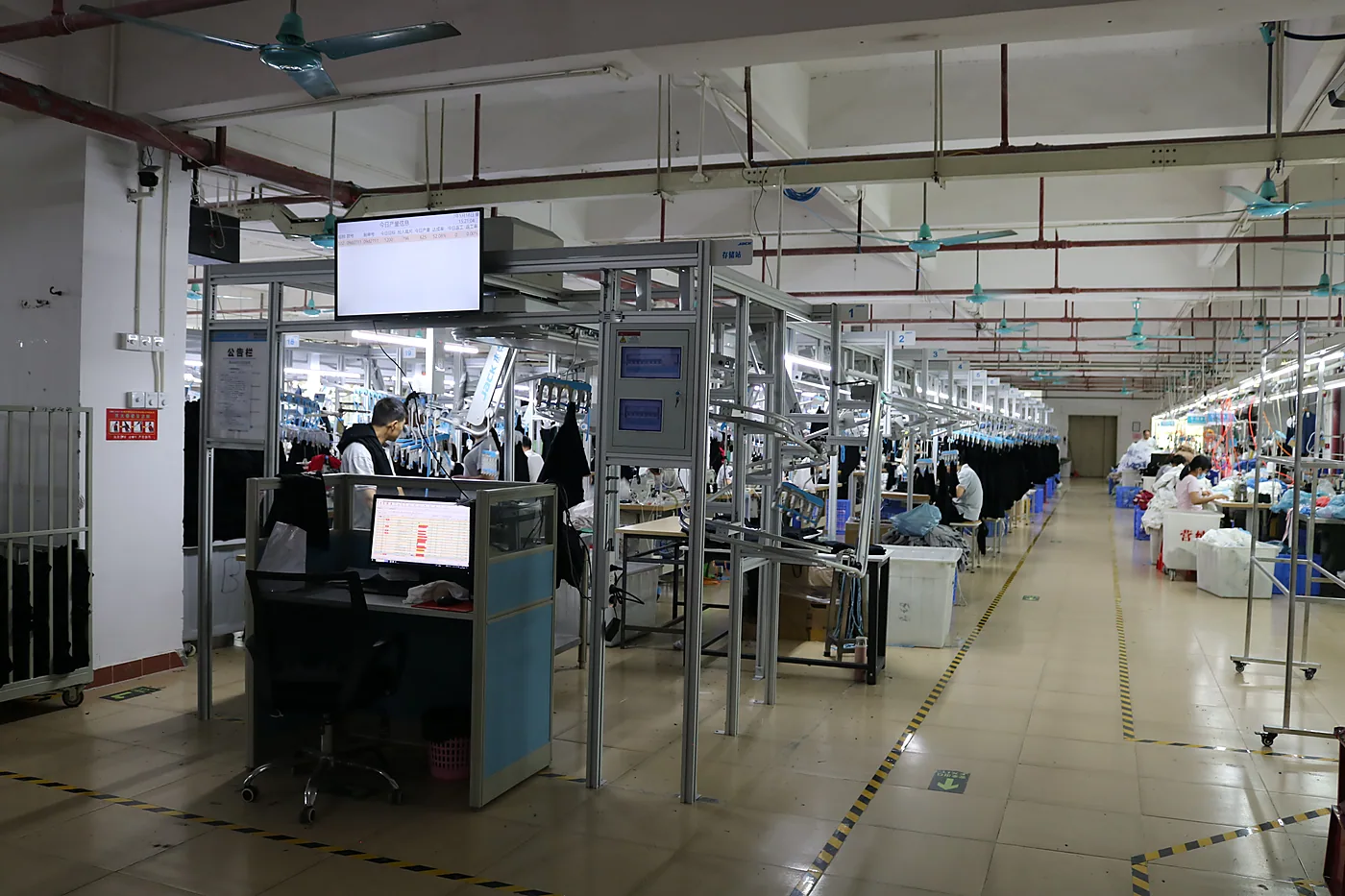
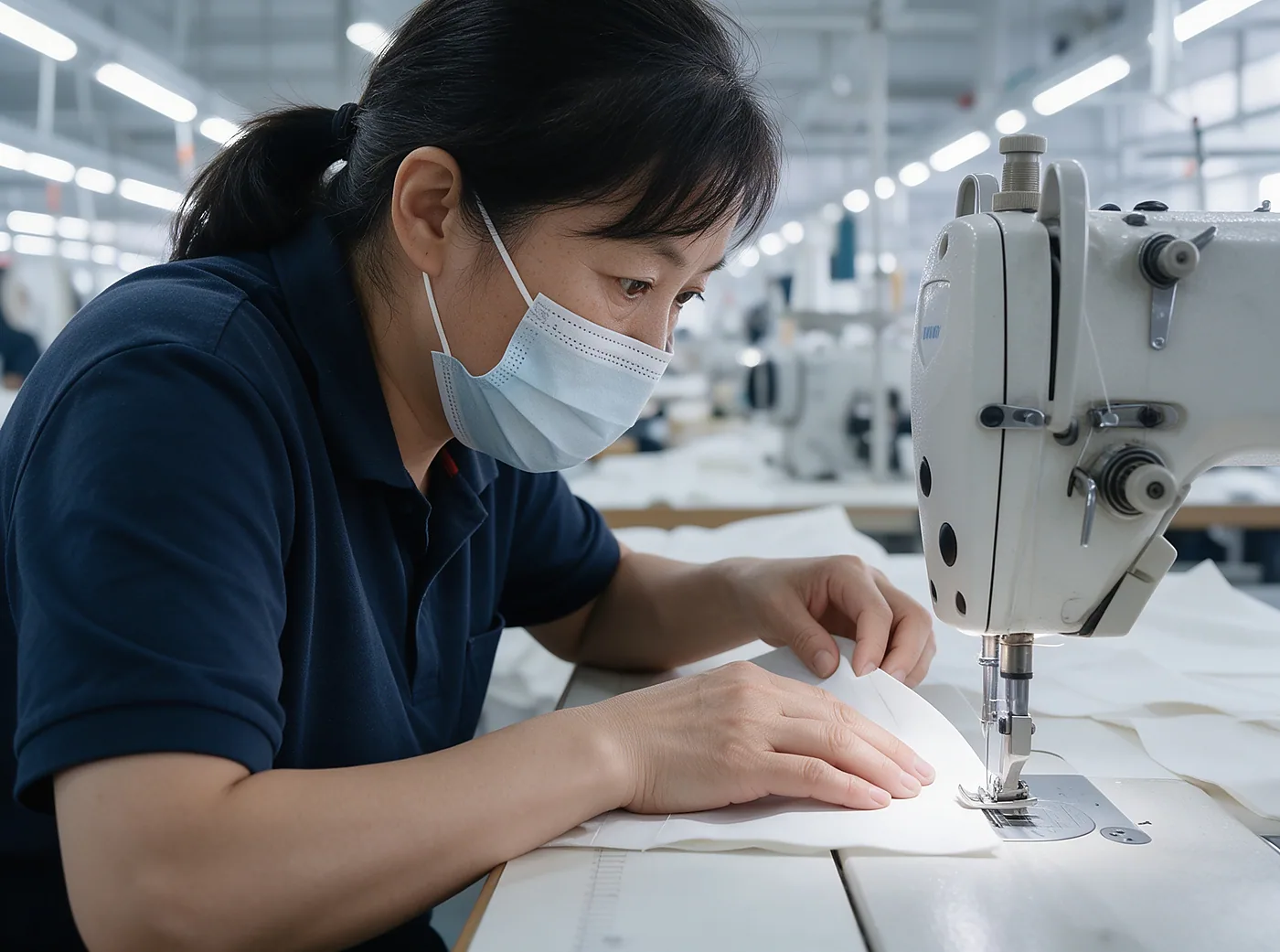
We operate 18,000+ m² across two plants, with around 180 skilled workers on four production lines and a monthly output of 150,000–200,000 pieces. Our main plant is in Humen, Dongguan, in the Pearl River Delta knitting belt; a second plant in Hunan handles additional volume. Full details are on the about page, and you are welcome to visit the factory before committing to a bulk order.
A quote is only as good as the information behind it. Six items are enough for us to price accurately in one round:
Artwork can follow later; vector files are preferred for embroidery programmes and we will digitise the stitch file once the placement is confirmed.
Between 50 and 220 pieces per style. Stock shapes start at the lower figure; a fully custom build with its own knit, pattern and colourways sits at the higher one. The exact number depends on how much you change the base garment.
Sampling takes 3-7 days for a stock shape with your branding. Bulk production runs 15-25 days after you approve the sample and release the deposit. Repeat orders are faster because the pattern and reference sample already exist.
Send us the physical garment or a swatch. We will identify the construction and knit a lab dip or strike-off for your approval before anything is cut in bulk. Colour matching is confirmed against your approved reference, not against a screen.
Yes. Custom woven neck labels, printed care labels, hangtags and individual packing are quoted as part of the trim package. If you want the flexibility of small runs, ask us which items can stay generic — that is usually where the saving is.
Vector files (.ai, .eps, .pdf) are preferred for logos and embroidery digitising. For tech packs, a spreadsheet or PDF with measurements, construction notes and a photo reference is enough — we do not need a fully rendered technical drawing to quote.
Yes, and we encourage it. Our plant is in Humen, Dongguan, Guangdong. Arrange a visit through the factory visit page, or reach us at salesman8@yctshirt.cn to fix a date.
Send us the reference, the quantity and your target price — we will come back with one quote and the options behind it.
Request a Quote | Book a Factory Visit | Email salesman8@yctshirt.cn | WhatsApp +86 158 7649 3800