- Email salesman8@yctshirt.cn
- TEL/WECHAT +86-15876493800
- WhatsApp +86-15876493800
- Email salesman8@yctshirt.cn
- TEL/WECHAT +86-15876493800
- WhatsApp +86-15876493800
Dongguan, China · Knitwear factory since 2009
Yoga Wear Manufacturer — Leggings, Sports Bras and Sets from 100 pcs
Yoga wear and activewear manufacturing at SLSPOLO runs from our own plants in Dongguan and Hunan: MOQ 100 pcs per style per colour, samples in 3–7 days, bulk in 15–25 days after sample approval, AQL 2.5 inline and final inspection, ISO 9001 quality system. Two plants, 18,000+ m² of floor space, 4 production lines, 180+ staff and 150,000–200,000 pieces of monthly output. Goods ship EXW, FOB Shenzhen / Yantian or DDP.
We are a knitwear factory in Dongguan making yoga wear for private label brands, studios and uniform programmes: leggings, sports bras, tanks, shorts, sets and outer layers. Cut-and-sew programmes start at 100 pcs per style per colour. Samples take 3 to 7 days, bulk runs 15 to 25 days after you approve the sample, and every order is inspected to AQL 2.5 before it leaves.
100pcs per style per colour
3–7days to first sample
15–25days to bulk, after approval
AQL 2.5final inspection standard
18,000㎡4 production lines, 180+ staff
ISO 9001certified since 2009
01What yoga wear can you order from us?
We make six yoga wear families: leggings and tights, sports bras, tops and tanks, shorts and skorts, matched sets and unitards, and outer layers. Every family is cut and sewn from knitted fabric, and every garment can carry your labels, hangtags and packaging.
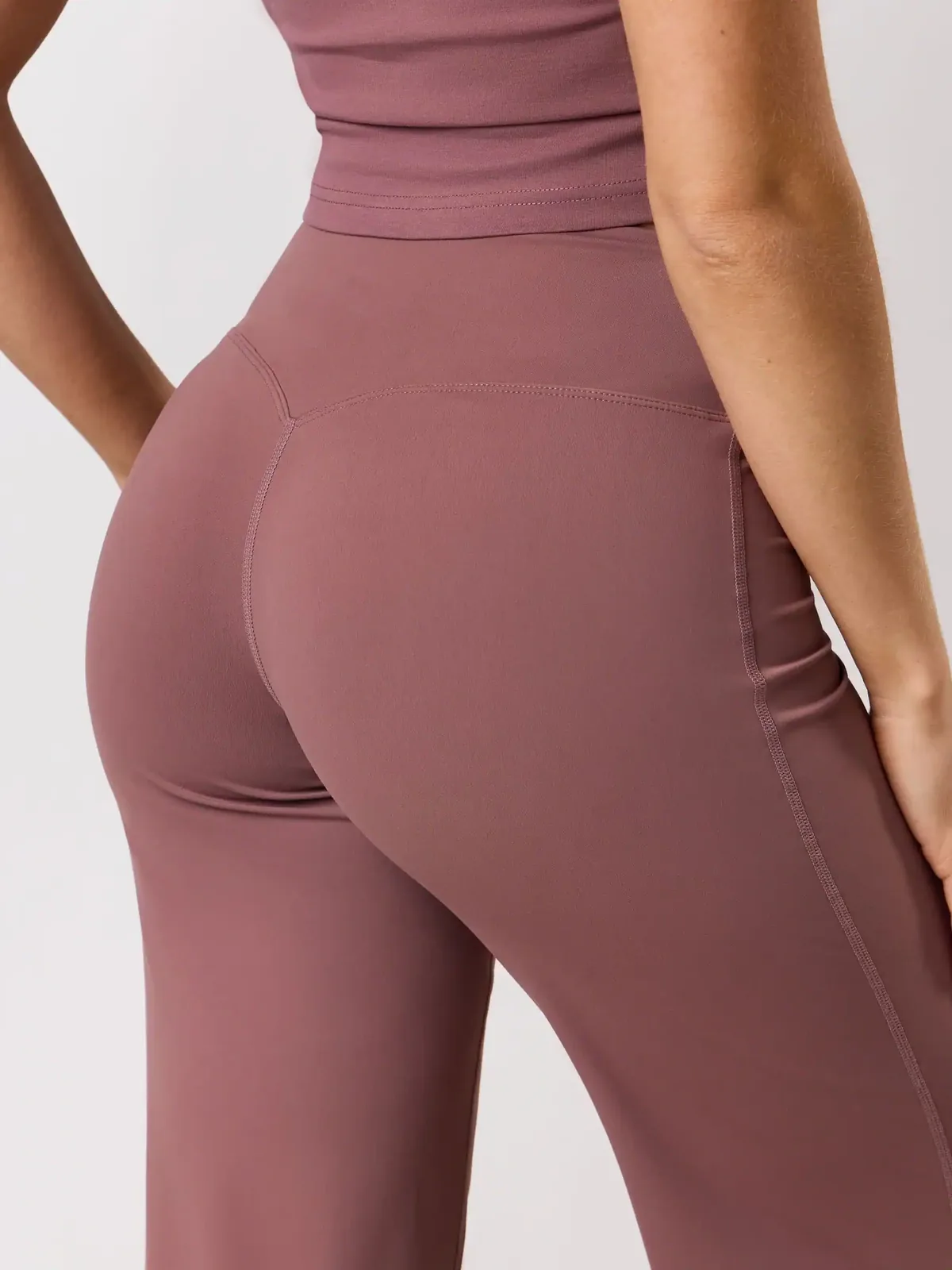
Leggings and tights
Full length, 7/8, capri, flare and wide leg. High-rise waistbands with or without a hidden pocket, and a gusset on every full-length style.
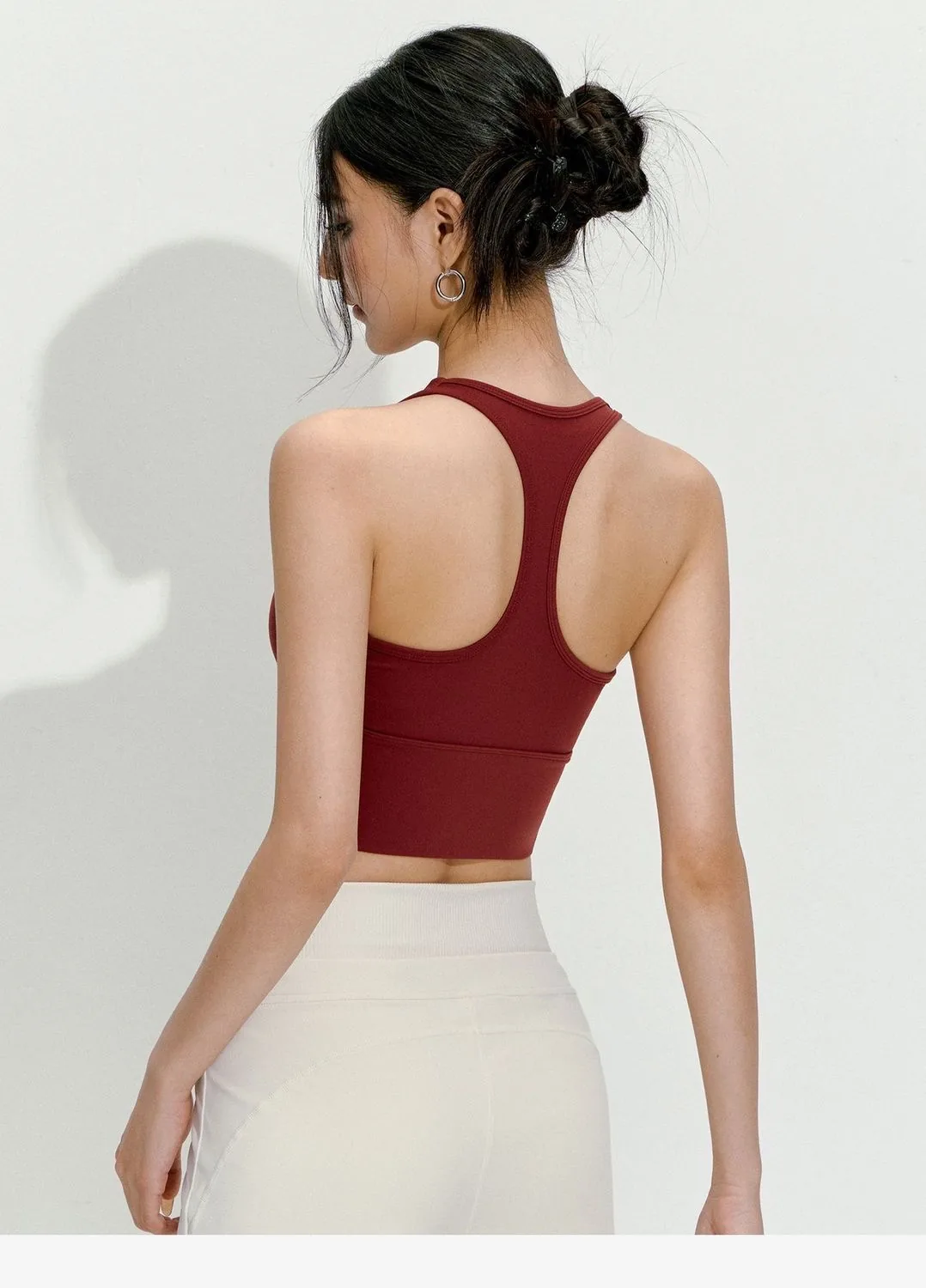
Sports bras
Low, medium and high support. Racerback, cross-back and adjustable strap blocks, with removable pad pockets and power mesh lining where you need it.
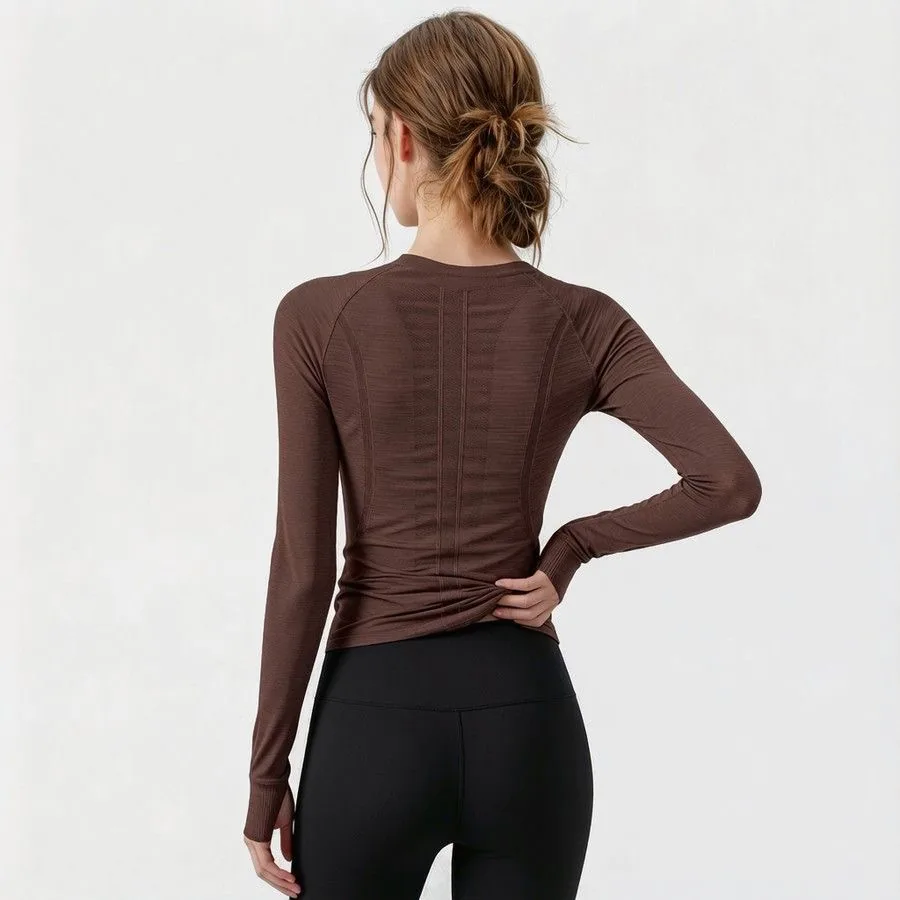
Tops and tanks
Cropped tanks, longline tanks, short and long sleeve tops, and layering pieces. Built-in bra shelf available on longer bodies.
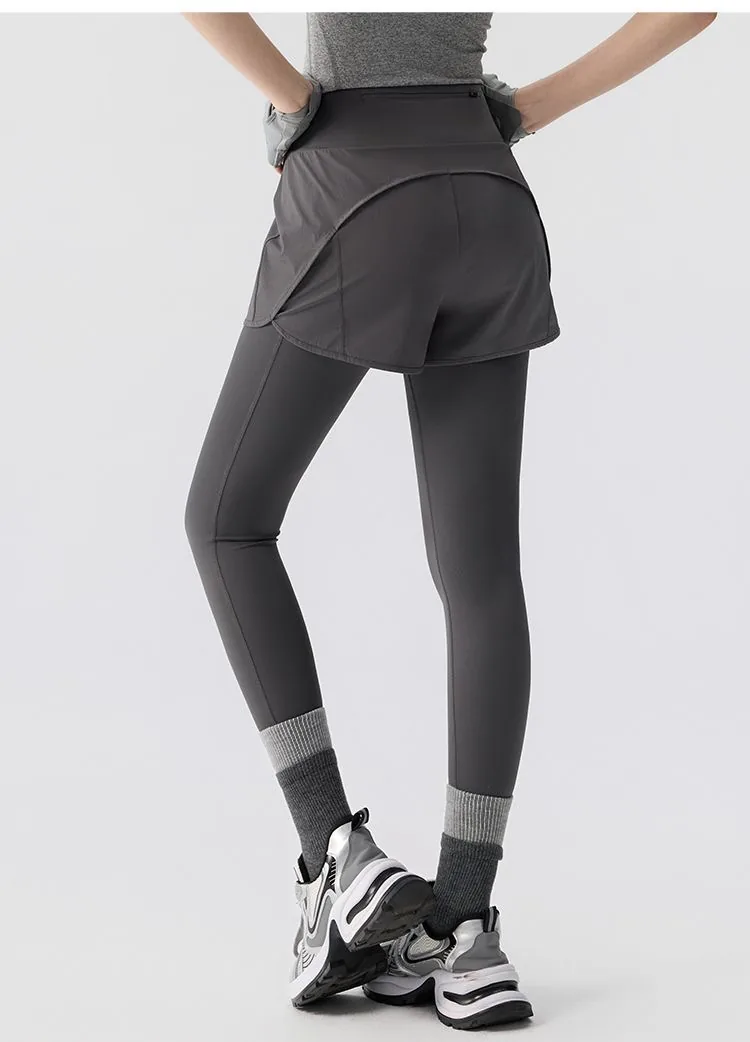
Shorts and skorts
Cycling shorts, biker shorts, high-rise shorts and skorts with an inner short. Side pockets and a hidden waistband pocket are optional.
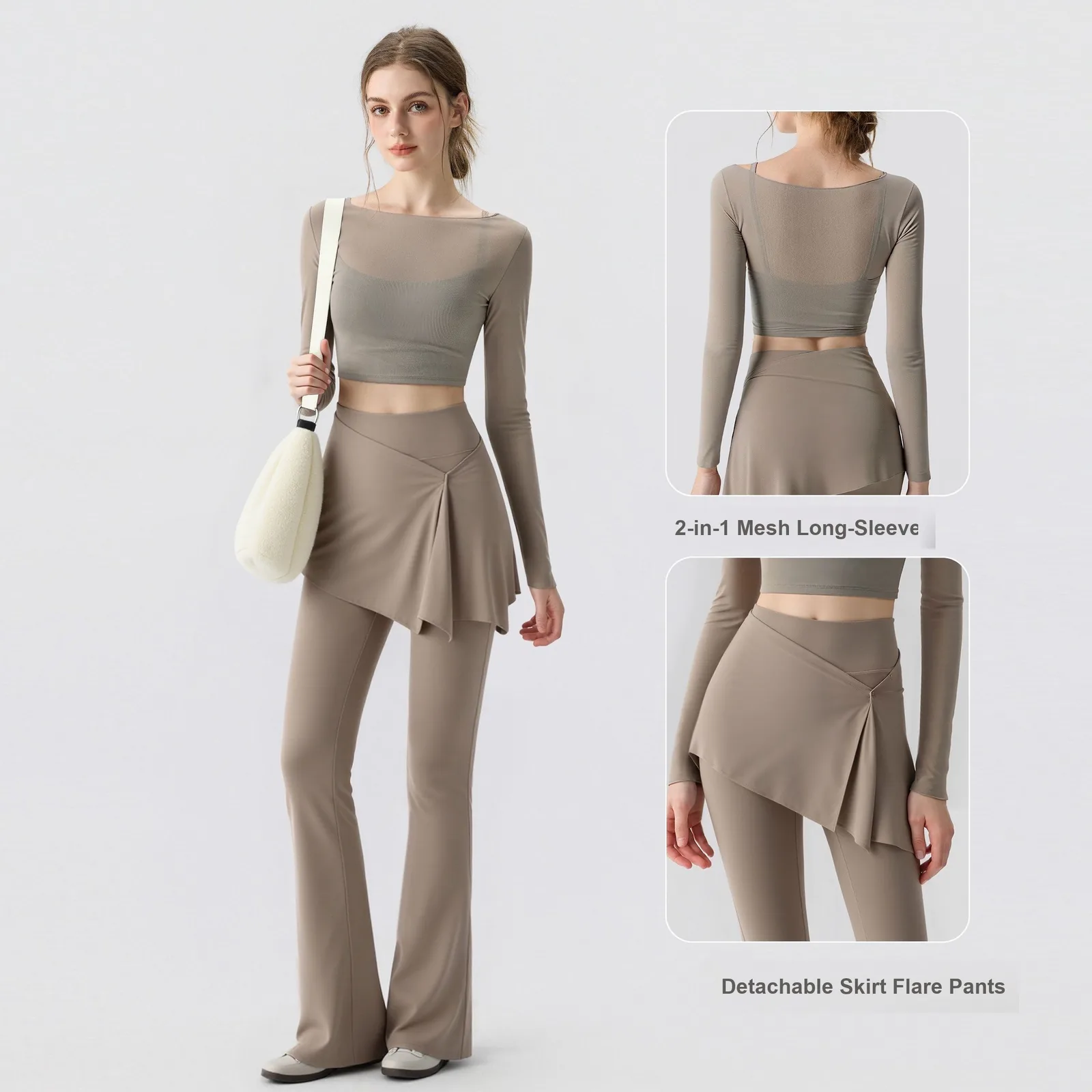
Sets and unitards
Matched bra-and-legging sets in one dye lot, plus unitards and bodysuits. This is where colour consistency across two garments matters most.
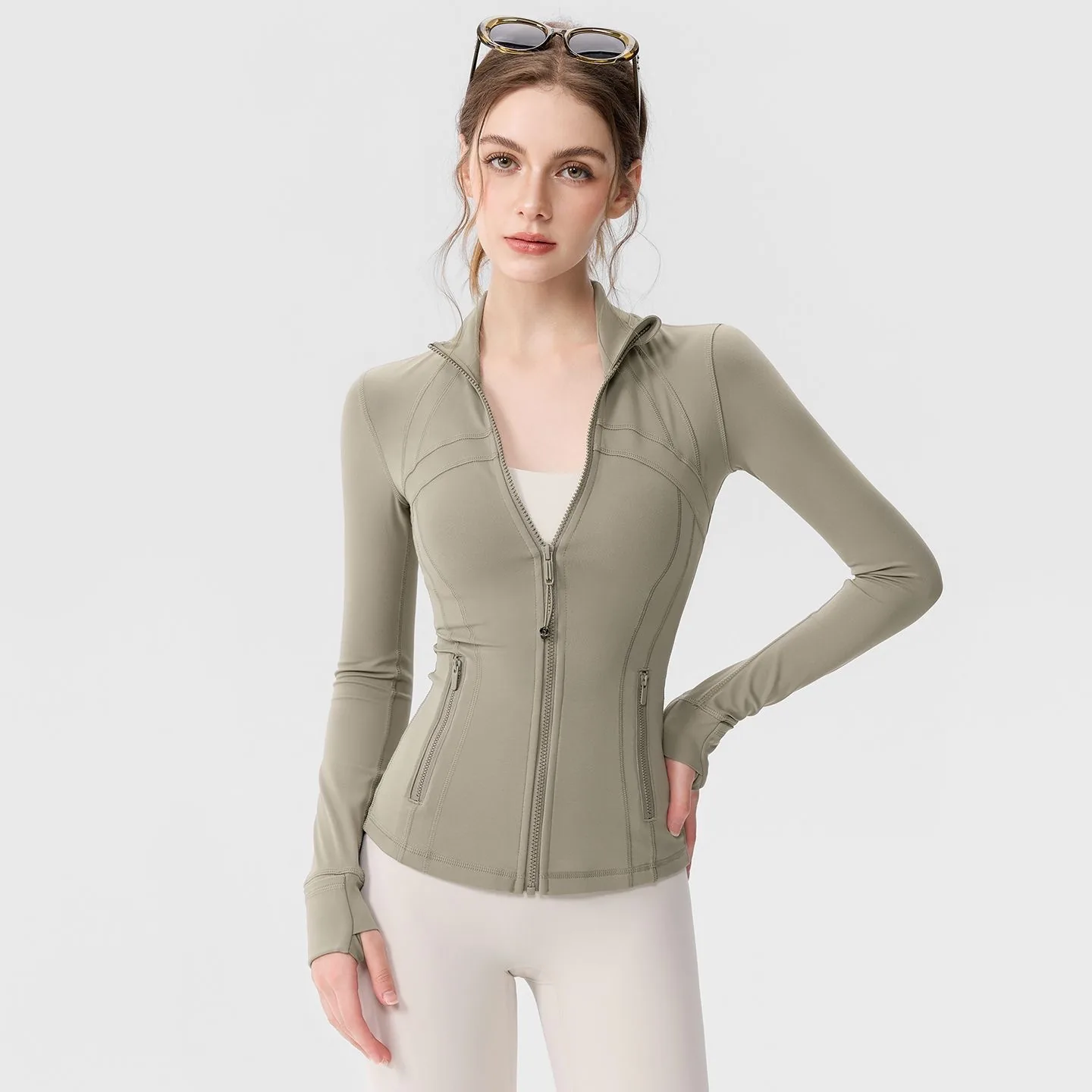
Outer layers
Zip-through jackets, hoodies, shrugs and warm-up layers with ribbed cuffs and hems from our knitting floor.
Browse the yoga wear catalogue — styles already running on our lines
02What fabrics are best for yoga wear?
The best yoga wear fabrics are nylon-spandex for the softest hand feel and opacity at 220–260 GSM, polyester-spandex for faster drying and sublimation printing at 230–240 GSM, and recycled polyester-spandex where your programme needs a recycled-content claim. Weight, blend and knit structure together set the hand feel, the opacity and the recovery — so this is the first thing we settle with a buyer, before any pattern is cut.
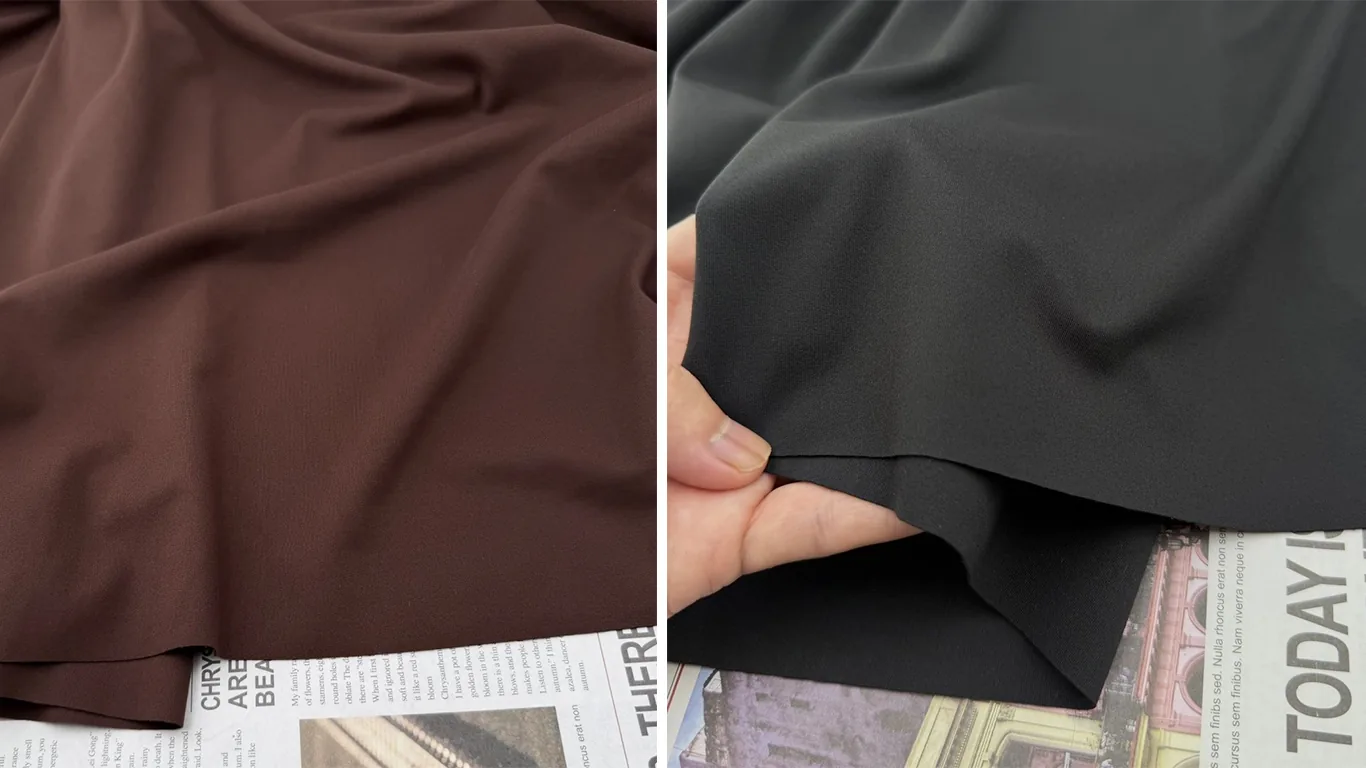
Fabric swatch cards with composition and GSM written on each — the set we send before sampling.
Three blends cover most yoga programmes
Nylon / spandex. The softest hand feel of the three and the best opacity at a given weight — around 220 GSM is usually enough for dark colourways. Nylon costs more per metre, and it is what you want if “buttery” is the word in your brief.
Polyester / spandex. Dries faster and costs less. It generally needs a little more weight, roughly 230 to 240 GSM, to reach the same opacity as nylon, and it takes sublimation printing well.
Recycled polyester / spandex. The same workhorse performance with a recycled content claim behind it. If your programme needs GRS recycled-content or OEKO-TEX documentation, we arrange it to your order.
| Product | Weight we quote | Typical blend | What it gives you | What we hold it to |
|---|---|---|---|---|
| Full-length leggings | 220–260 GSM | Nylon 75–80% / spandex 20–25% | Smooth, dense, holds shape through a squat; the reference spec for a premium legging | Interlock knit, opacity checked in the lightest colourway |
| Leggings, sculpting or compressive | 260–300 GSM | Nylon 72–78% / spandex 22–28% | Firmer compression and maximum coverage, including pale colourways | High-density double knit, recovery measured at 80% extension |
| Sports bra, medium to high support | 220–260 GSM outer | Polyester 80% / spandex 20% | Structure that holds under load, with breathable zones | Power mesh lining, lateral stretch recovery measured |
| Sports bra, low support | 180–220 GSM | Nylon 75–85% / elastane 15–25% | Soft, barely-there feel for yoga, Pilates and all-day wear | Soft hand feel takes priority over compression |
| Tanks and tops | 140–180 GSM | Poly or nylon blend | Light and breathable for heated practice and layering | Shrinkage held under 4% across three wash cycles |
| Outer layers and hoodies | 240–320 GSM | Cotton-rich or poly blend fleece | Warm-up weight with recovery at the cuff and hem | Ribbed cuffs and hems knitted in house |
On GSM tolerance. We hold bulk fabric to the approved sample within ±5%. A roll that drifts more than that is flagged before cutting, not after.
03How do you make leggings squat-proof?
Squat-proof leggings come from six decisions agreeing with each other: weight and blend taken together, knit structure, spandex content and recovery, yarn coverage, colour-by-colour testing, and pattern fit. “Squat-proof” means the fabric stays opaque at full stretch — it is not one number on a spec sheet, and here is the order we work through the six checks with you.
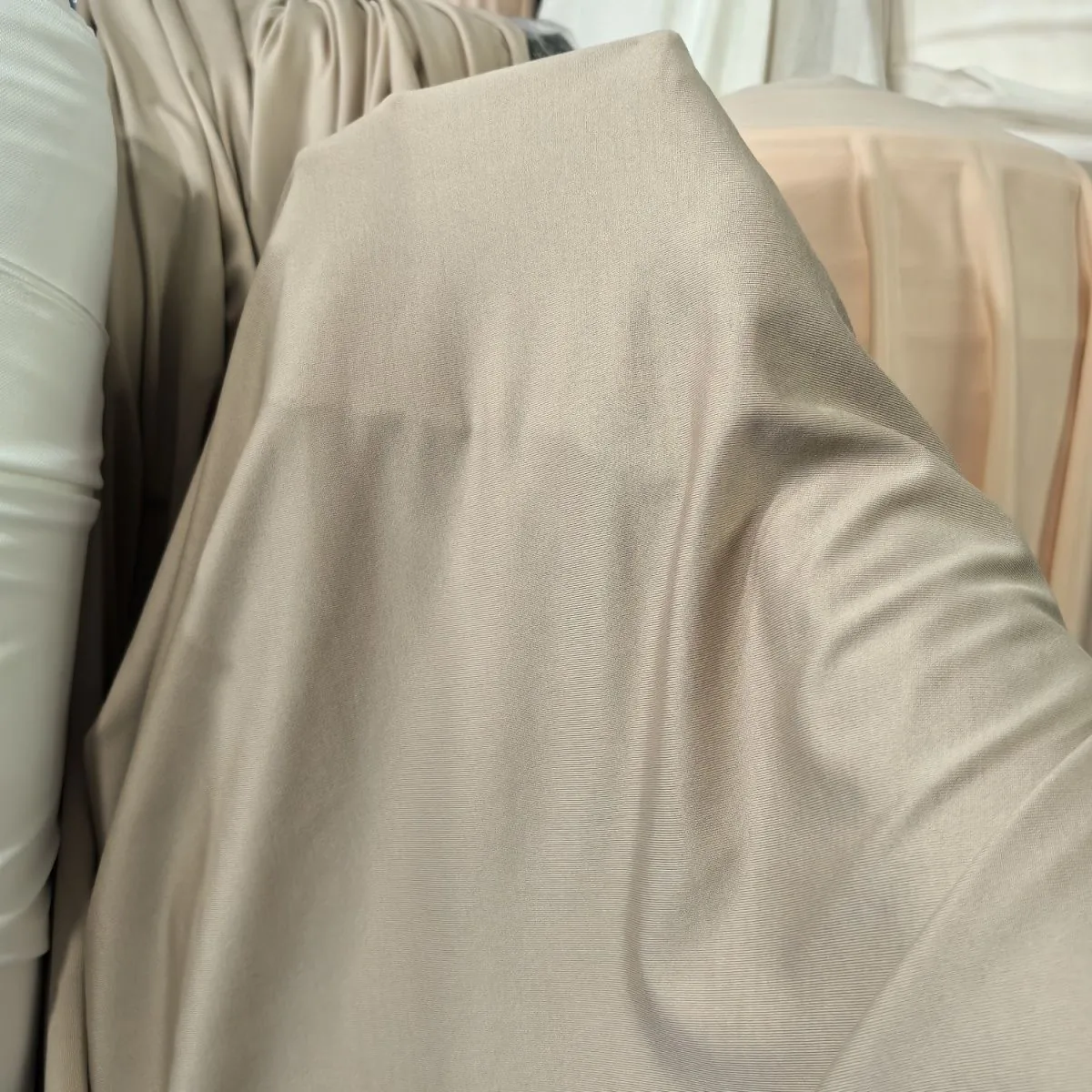
Stretch-opacity test: fabric held at working extension over a contrasting board, photographed.
The checks, in order
- Weight and blend together. 220 GSM in nylon behaves differently from 220 GSM in polyester. We quote both numbers, never one.
- Knit structure. Interlock and high-density double knit hold coverage under tension in a way an open jersey does not. We name the structure on the spec sheet.
- Spandex content and recovery. We measure stretch at 30%, 50% and 80% extension across warp, weft and bias, and report residual growth after 30 minutes.
- Yarn coverage. Semi-dull and higher filament-count yarns close the surface. This is what decides whether a pale colourway works at all.
- Colour by colour. A fabric that passes in black can fail in pale grey. We test the lightest colour in your range first, and every colourway separately.
- Pattern and fit. If the back rise is cut too tight, even good fabric gets pulled past its working range. Fabric choice and pattern are signed off together.
We send the readings with the sample rather than waiting to be asked, so you can compare the bulk fabric against the sample you approved.
04Seamless or cut-and-sew: which construction should you choose?
Choose cut-and-sew for the widest choice of fabric, colour and print at a 100-piece minimum per style per colour; choose seamless or bonded construction for fewer side seams and flat, chafe-free edges at a 200-piece minimum. Each route suits a different brief, and most of our buyers run both at some point.
Cut-and-sew
Fabric is knitted, dyed and finished, then cut from a marker and assembled. It gives you the widest choice of fabric, colour and print, and it is the route for anything with panels, pockets, zips or a shaped waistband. Pattern changes are straightforward, which makes it the practical choice for a first collection you are still adjusting.
MOQ: 100 pcs per style per colour.
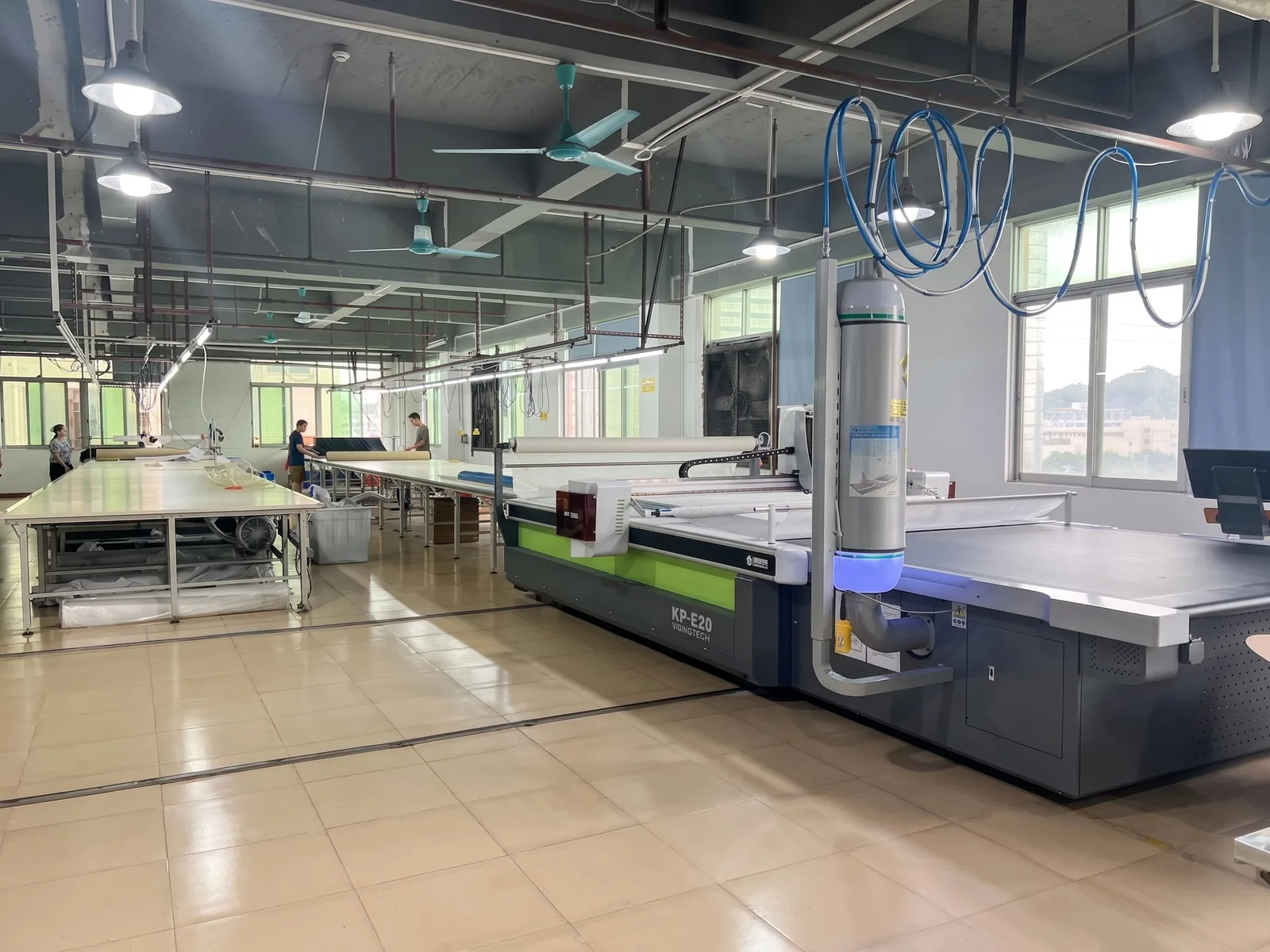
Cutting floor: fabric relaxed before spreading, pieces numbered by bundle.
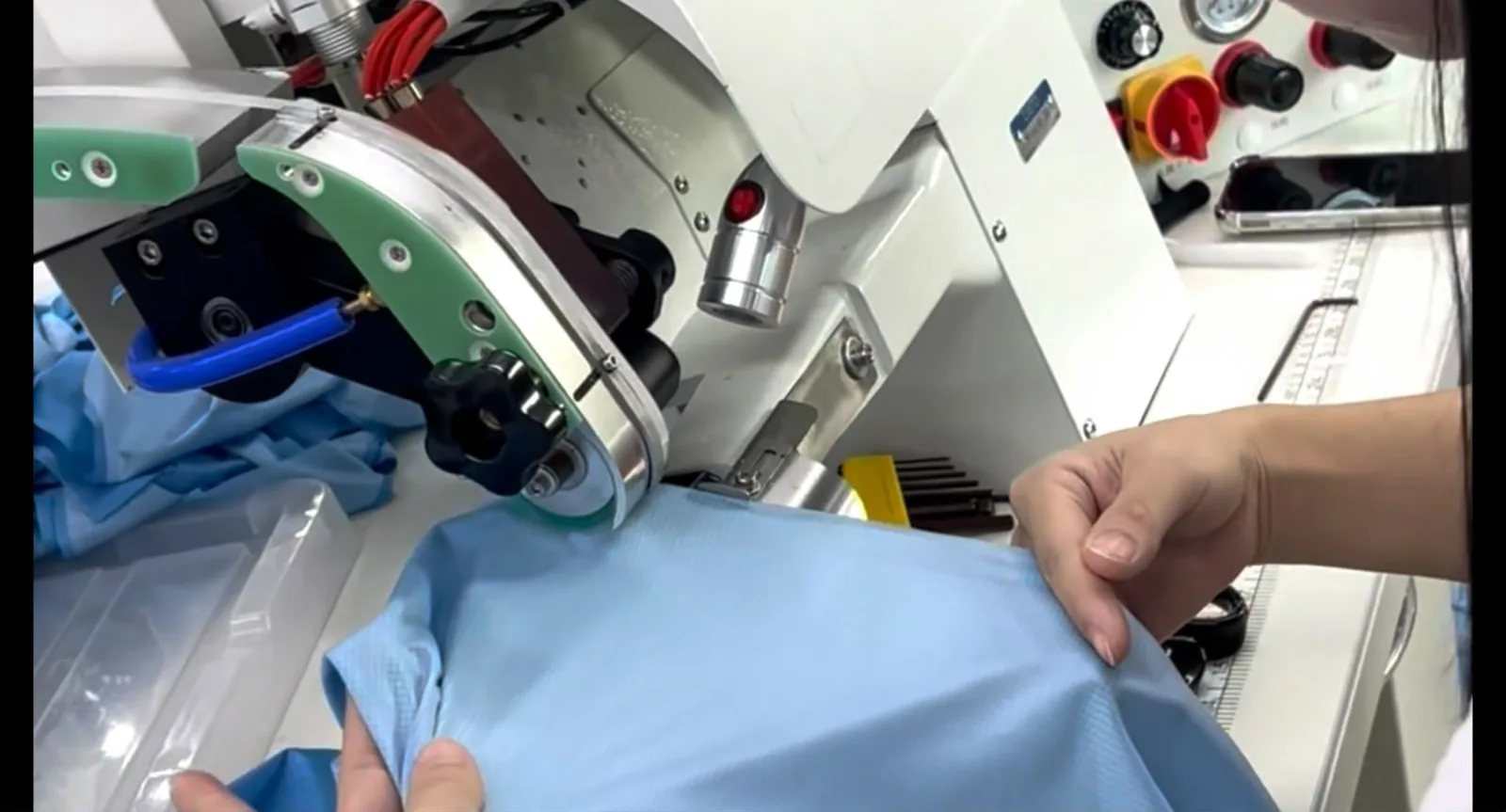
Seamless knitting and bonded finishing.
Seamless and bonded
Bodies come off the machine close to finished shape, so there are fewer side seams to chafe and less fabric wasted as offcuts. Bonded and taped construction lets us close edges without a stitch line, which is how a clean, flat waistband or a no-show leg opening gets made.
It suits programmes with a stable design and repeat volumes, because the knitting programme is set up per style. Where a design needs a taped or bonded seam, we run it on our bonded line.
MOQ: 200 pcs per style per colour for bonded and seam-sealed construction.
05How do you put your logo on yoga wear?
Four application methods cover nearly every branding request on yoga wear: sublimation for all-over prints, screen print in elastic ink for logo placement, embroidery for premium wordmarks and crests, and heat transfer or silicone for flat, flexible marks. Private label is a set of small decisions that end up being the whole product experience: where the logo sits, how the care label reads, what the hangtag looks like.
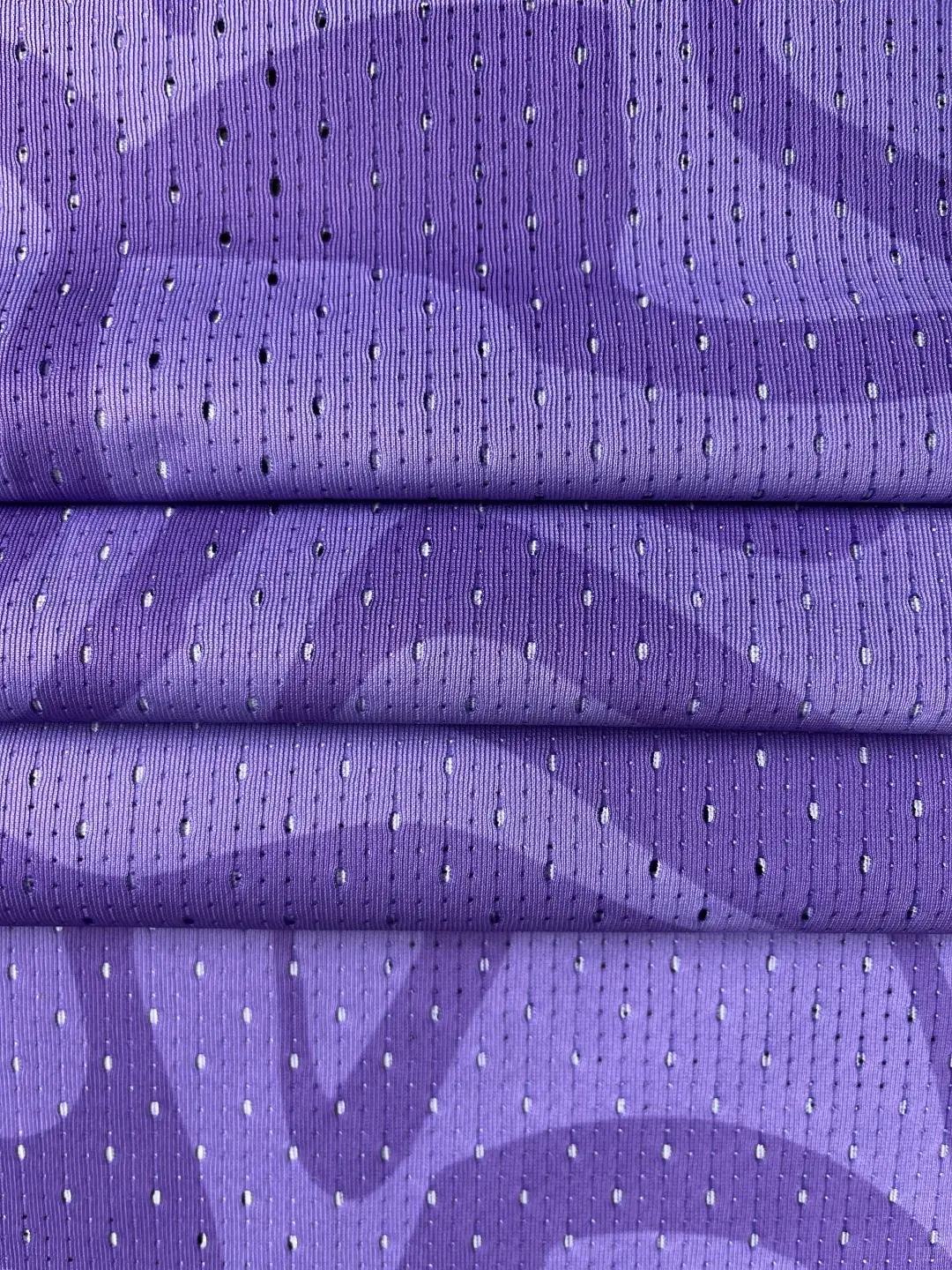
Sublimation
Full-panel print with no hand feel, on polyester-rich fabric. Best for all-over patterns and gradient work.
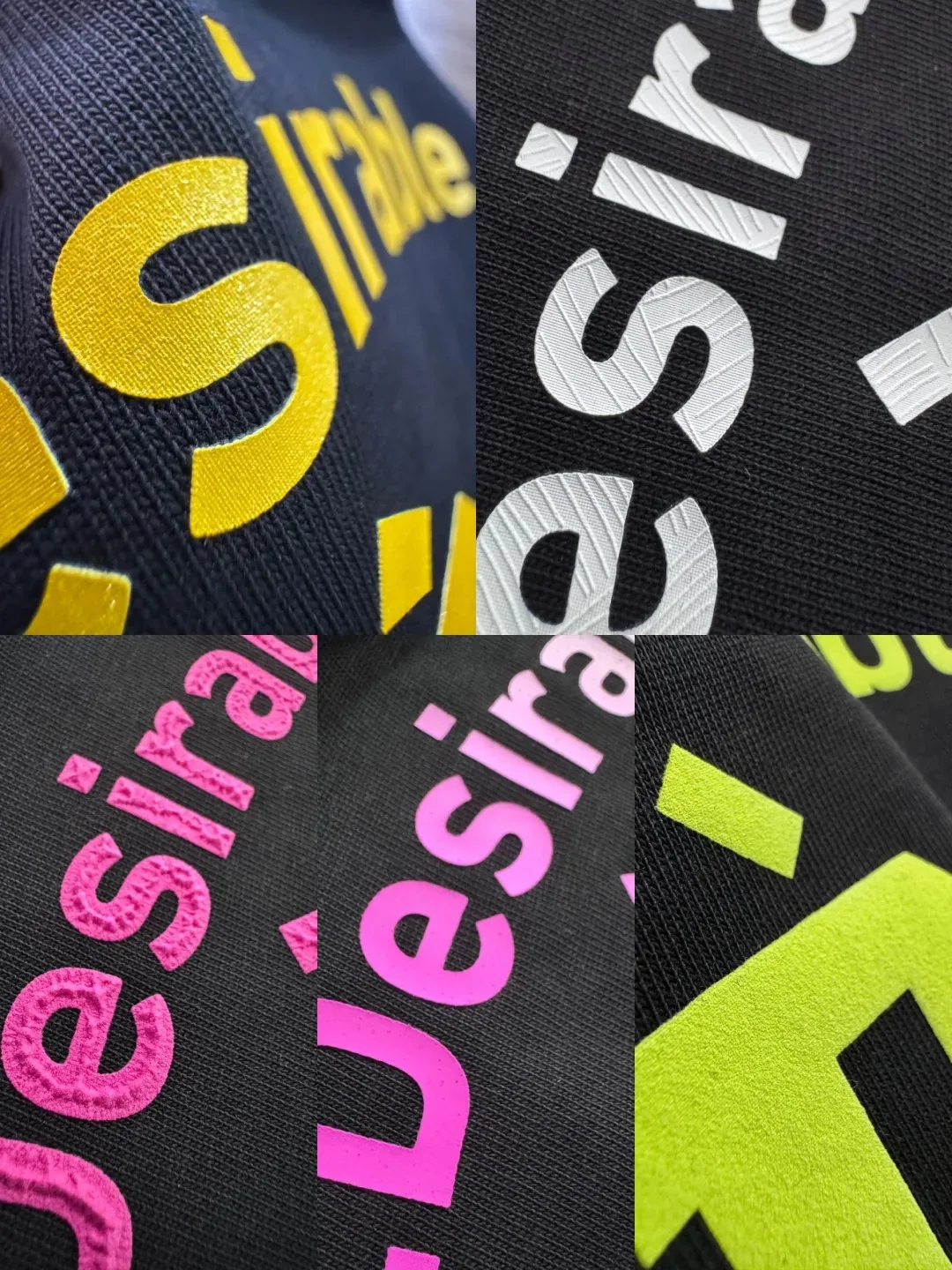
Screen print
Logo placement in elastic ink that stretches with the fabric instead of cracking. We specify cure and stretch behaviour per ink.
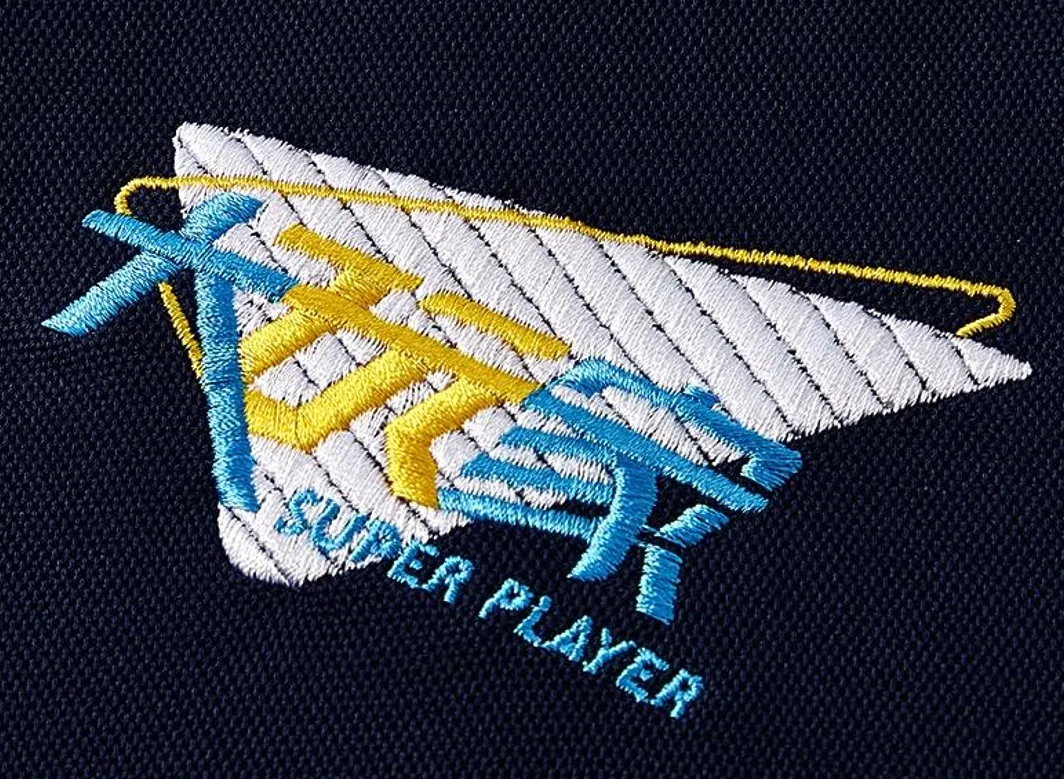
Embroidery
On stretch knit we back the stitch area so it stays soft against skin and does not pucker when the fabric extends.
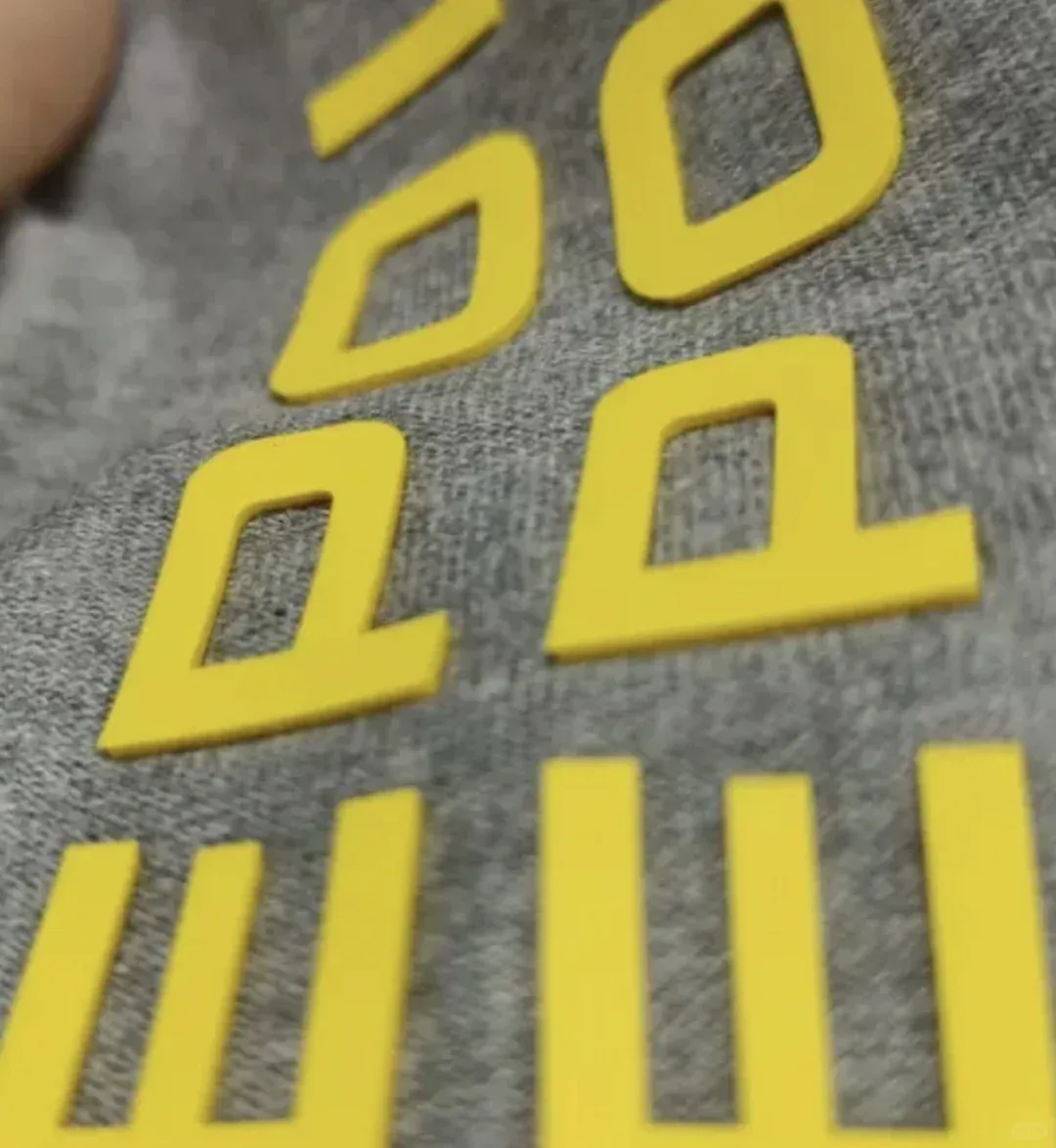
Heat transfer and silicone
Flat, flexible marks for care labels that would otherwise itch, and for small logos that need clean edges.
| Method | Where it works best | Technical limits we work to |
|---|---|---|
| Screen print | Flat logo placement on leggings, bras and tees; the most wash-durable of the four | 1 to 6 colours as standard, up to 8; one screen per colour; elastic ink cured at 160–170°C (320–340°F); polyester needs an underbase first |
| Sublimation | All-over patterns, gradients and placement prints with no hand feel at all | Polyester-rich fabric only — the dye bonds to the fibre, so it will not take on cotton or on dark polyester panels. Our equipment prints full fabric rolls, so an all-over design goes on before cutting rather than panel by panel |
| Embroidery | Small wordmarks and crest logos that need to read as premium | Stitch area backed so it stays soft against skin and does not pucker when the fabric extends |
| Heat transfer and silicone | Care labels that would otherwise itch, and small logos needing clean edges | Flexible, low-profile marks that stretch with the knit rather than cracking |
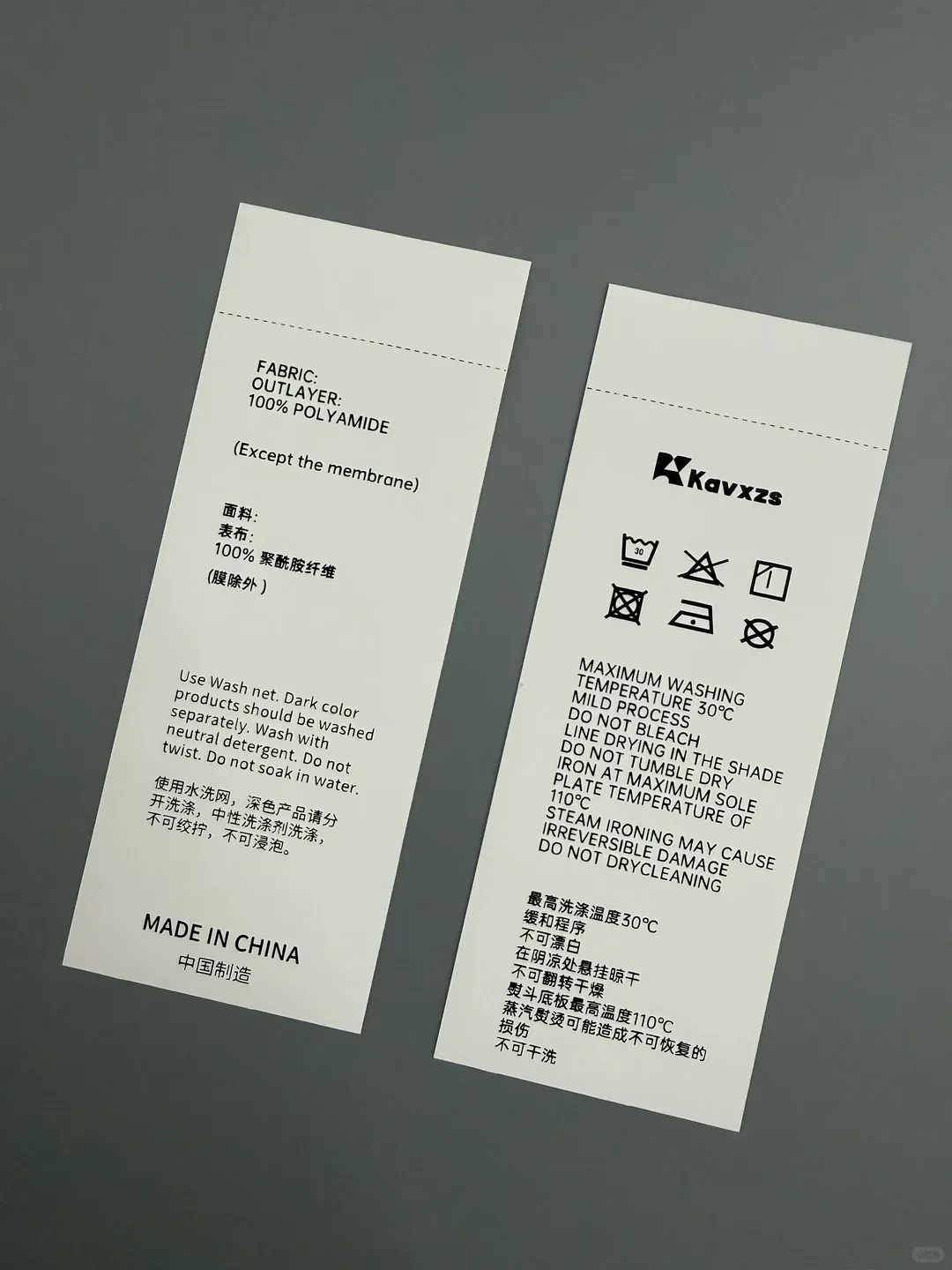
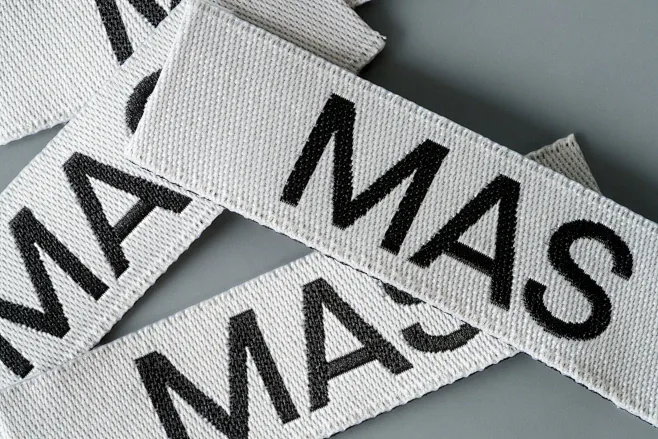
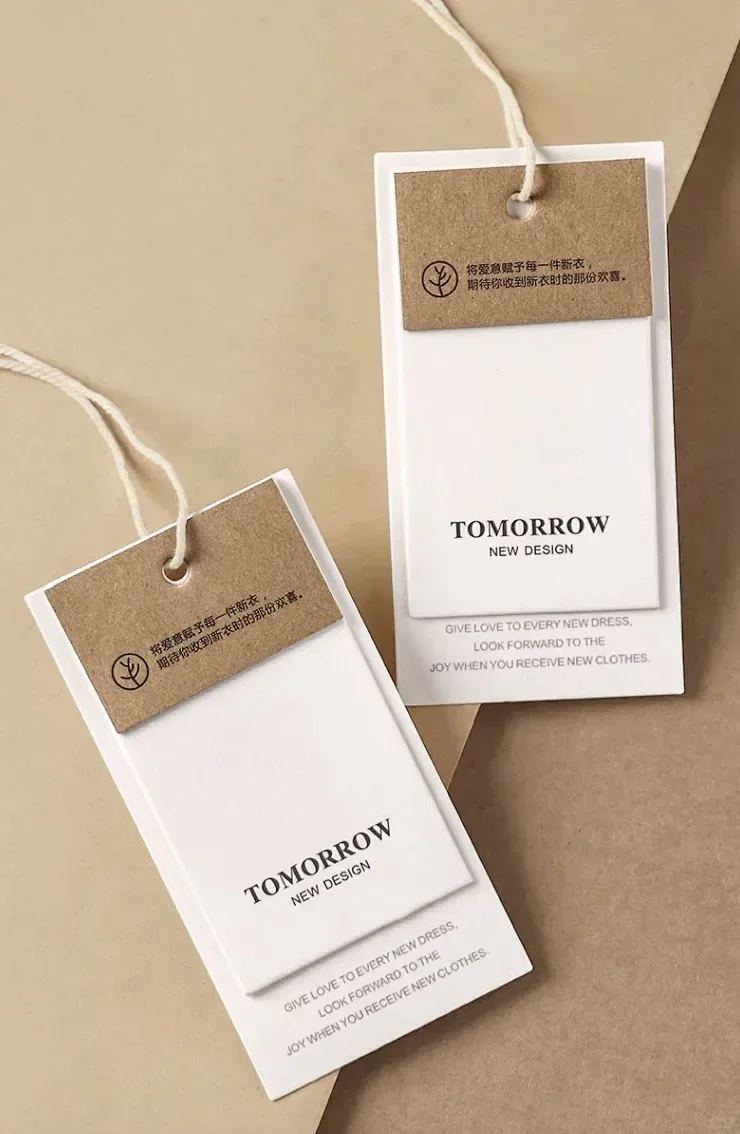
Woven labels, care labels, hangtags and polybags to your artwork. Retail-style gift boxing is quoted separately.
06How long does a yoga wear order take?
A first yoga wear order typically runs 6 to 9 weeks from approved tech pack to dispatch: 2 to 3 weeks for fabric sourcing, lab dips, sampling and approvals, then 3 to 5 weeks for bulk production and packing. Eight steps from the first file you send to a packed carton — and the two gates where you sign off, lab dips and the pre-production sample, are the ones that protect the bulk run.
1RFQ and tech pack24 hoursFeasibility reply, fabric options and a preliminary costed quote. A fabric swatch set goes out with it.
2Fabric confirmation2–3 daysBlend, GSM, knit structure and hand feel fixed in writing, with the test thresholds attached to the same sheet.
3Lab dips3–5 daysPantone-matched dips sent for approval. Colour is signed off here, not in bulk. Runs alongside pattern making.
4Fit sample3–7 daysA wearable sample in the target fabric, with a measured spec card: GSM, stretch, recovery and colourfastness readings.
5Revisions2–4 days eachFit comments turned into pattern changes. One version of the record, numbered, so nothing is lost between rounds.
6PP sample5–7 daysMade in the bulk fabric once it lands, never a substitute, and measured against the sample you sealed.
7Bulk production15–25 daysAfter PP approval. Weekly production snapshots as standard, and we surface problems while they are still fixable.
8Inspection and packing3–5 daysAQL 2.5 final inspection with the report, then packing to your label, hangtag and carton spec.
Two numbers we commit to: 3 to 7 days to a first fit sample, and 15 to 25 days to bulk. Fabric sourcing and lab dips run ahead of or alongside those windows rather than extending them. Where a stage pushes past its window, you hear it from us before the date, not after.
07What tests does yoga wear need to pass?
Yoga wear should pass colour fastness to washing and perspiration at grey scale grade 4 or better, stretch recovery of 98% or better at 30/50/80% extension, shrinkage under 4% after three wash cycles, and seam strength tested on every seam type. Activewear sits against skin through a full sweat session, so the tests that matter are the ones about chemistry, colour and recovery — and we report the actual readings rather than a pass or fail.
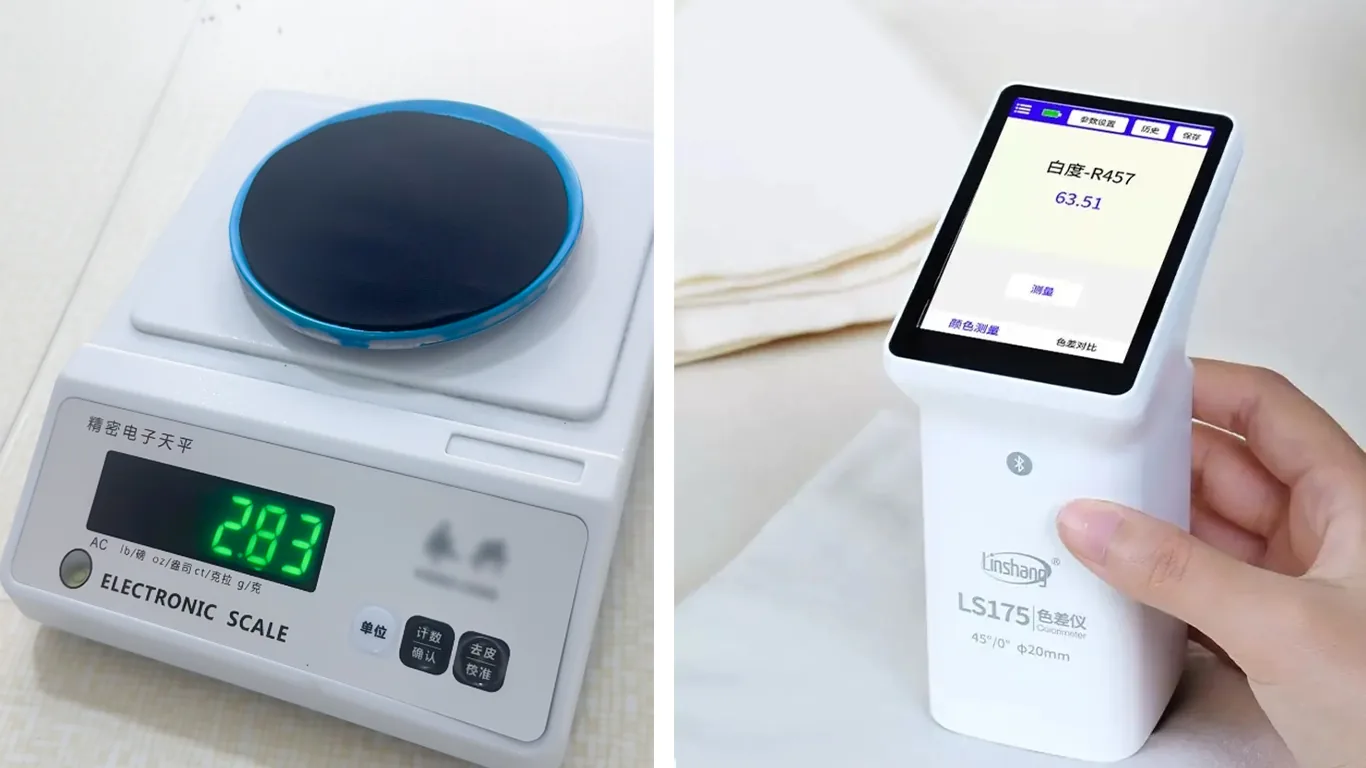
In-house: GSM scale, color difference tester, shrinkage tester, laser cutting machine, ultrasonic bonding machine, high-temperature thermal laminating machine.
| Test | Target we work to |
|---|---|
| Colour fastness to washing | Grey scale grade 4 or better |
| Fastness to perspiration | Grey scale grade 4 or better, acid and alkali |
| Crocking, dry / wet | Grade 4 dry, grade 3 wet — checked on deep blacks and navy |
| Stretch and recovery | Measured at 30 / 50 / 80% extension, stretch recovery of 98% or better |
| Seam strength | Flatlock and coverstitch seams tested for elongation and recovery, so the seam stretches with the fabric instead of popping |
| Shrinkage | Under 4% after three wash cycles |
| Pilling | Grade set by the fabric you select — we share the full fabric data and recommend the right grade for your end use |
Where your market needs a specific standard — OEKO-TEX Standard 100, GRS scope certificates, REACH documentation — we test to your requirement or send panels to a lab you nominate, and report what comes back.
08Which yoga wear programmes can a small brand start with?
The five programmes small yoga brands start with most often: extended and plus sizing, maternity, kids and teens, men’s, and studio or team kit. Different buyers come with different grading problems — these are the five we are asked for most.
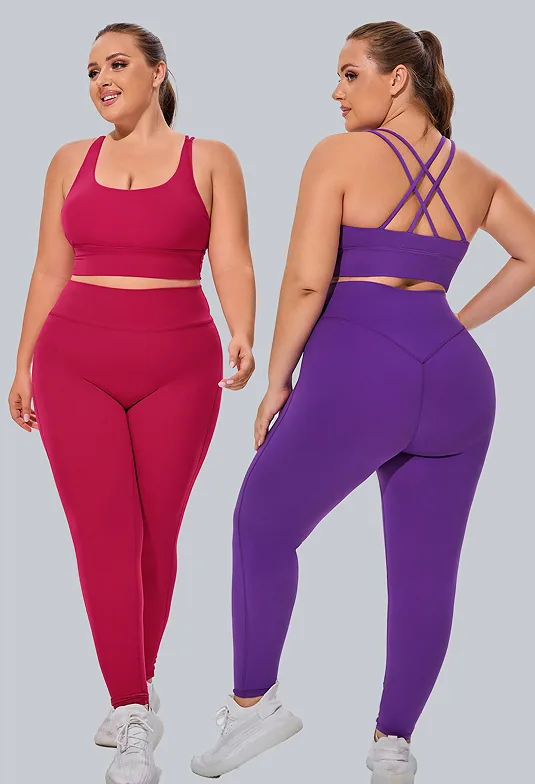
Extended and plus sizing
Graded beyond the standard block rather than scaled up, with waistband tension and rise adjusted at each size so the fit holds at the top of the range.
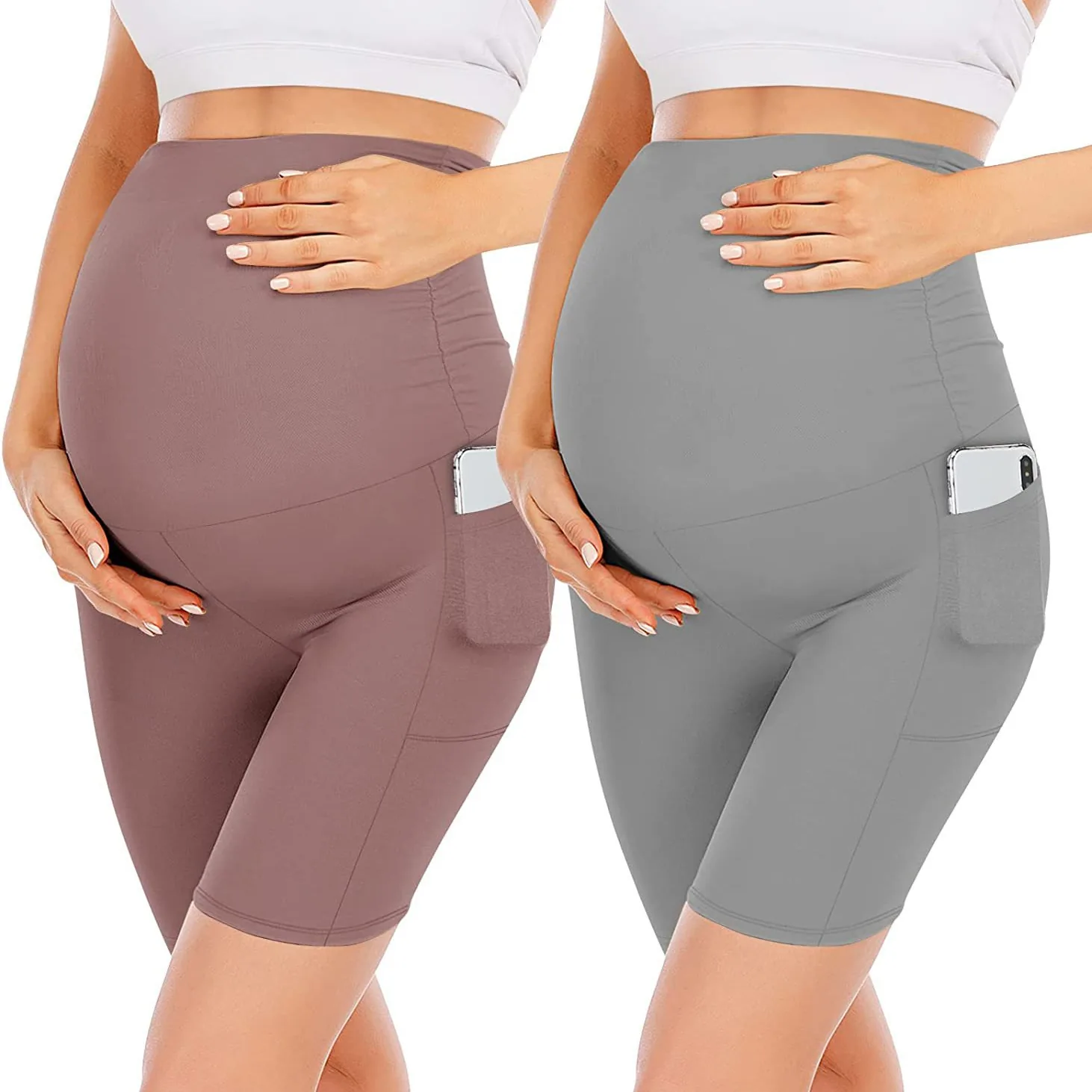
Maternity
Over-bump and under-bump waistbands, and nursing access where a brief calls for it. Sizing follows the same graded block as the main range.
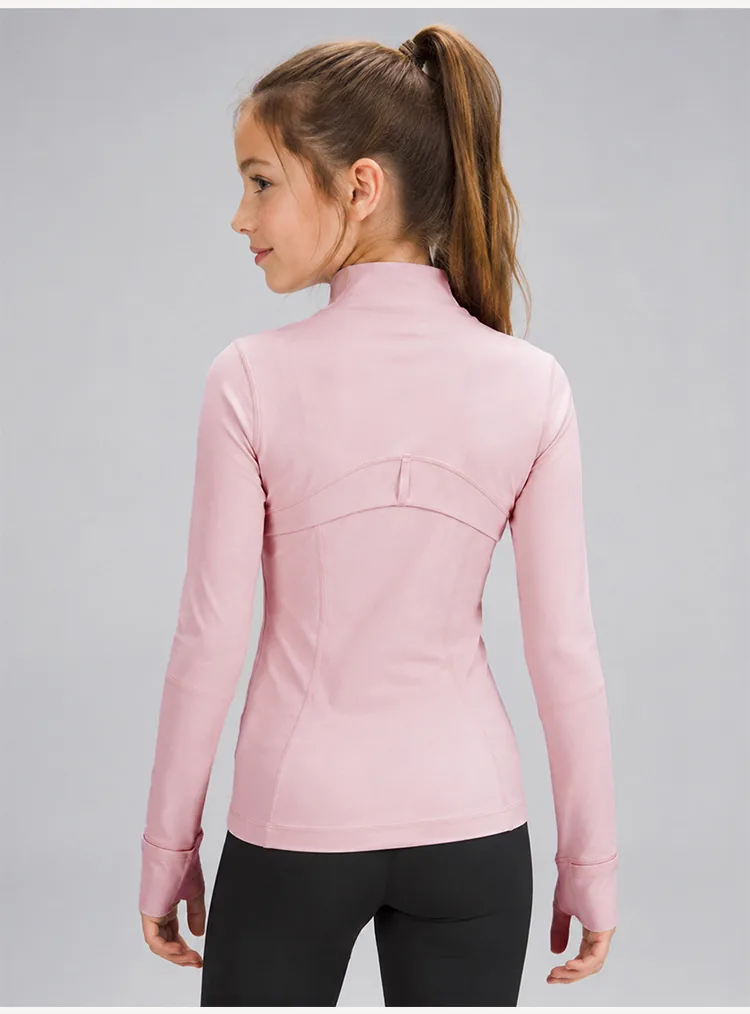
Kids and teens
Smaller blocks with trims and prints checked against the standards for the market you sell into.
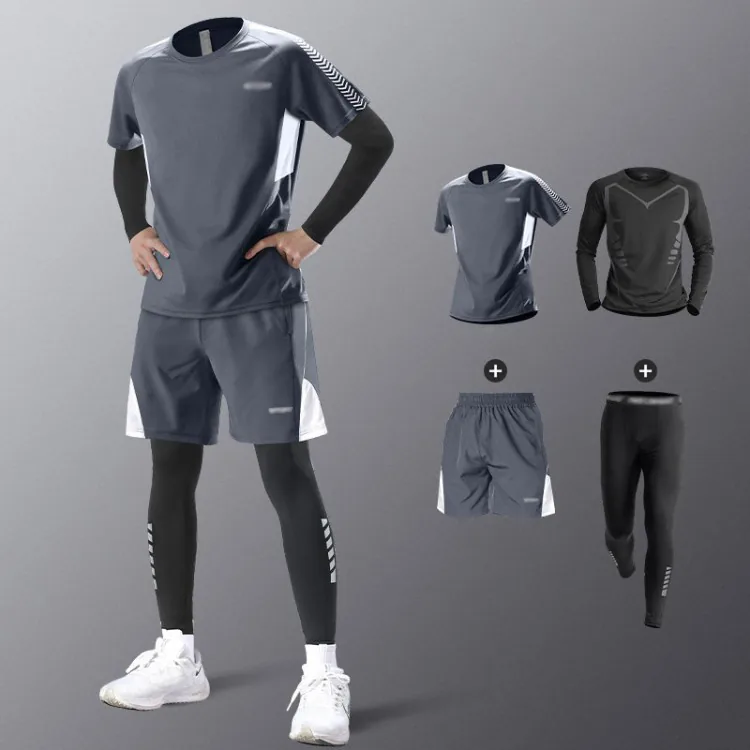
Men’s
Leggings, shorts and tops on a male block, with the gusset and rise built for the fit rather than borrowed from the women’s pattern.
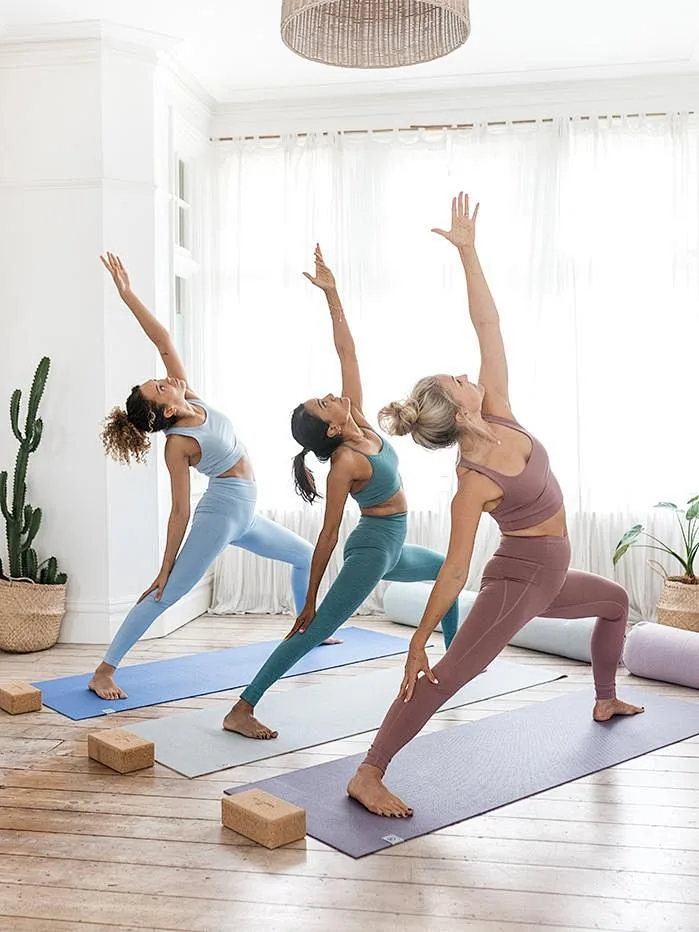
Studio and team kit
Repeated styles with your logo, labelled and packed per member or per class. Built so the next order matches the last one.
09What is the MOQ for custom yoga wear?
Our MOQ is 100 pcs per style per colour for cut-and-sew yoga wear, and 200 pcs per style per colour for bonded and seam-sealed construction. Sampling takes 3 to 7 days, bulk runs 15 to 25 days after sample approval, and every order ships with an AQL 2.5 inspection report. A first collection usually starts at the minimum and grows on the second order — that is the normal path, not an exception.
| Item | Term |
|---|---|
| Minimum order quantity | 100 pcs per style per colour — 200 for bonded and seam-sealed construction |
| Sampling | 3 to 7 days to first sample once the tech pack and lab dips are agreed |
| Bulk production | 15 to 25 days after you approve the pre-production sample |
| Size systems and range | US, EU and Asian grading. Any size set you specify, including plus, petite, tall, maternity and kids |
| Programme length, start to dispatch | A first programme typically runs 6 to 9 weeks from approved tech pack to dispatch — 2 to 3 weeks for fabric, lab dips, sampling and approvals, then 3 to 5 weeks for bulk and packing. Transit is on top of that |
| Inspection | AQL 2.5 final inspection, report sent with the order |
| Payment | T/T, deposit then balance before shipment. Full container orders can run L/C at sight |
| Shipping terms | EXW, FOB Shenzhen Yantian, or DDP to your door |
| Artwork we need | Tech pack in PDF or Excel, artwork in AI, EPS or high-resolution PDF |
| Design protection | We sign an NDA to your reasonable requirements before development, and we do not reuse your blocks, prints or artwork |
Indicative FOB price ranges – custom yoga wear
| Style | 100 pcs | 300 pcs | 500 pcs and above | Est. sample charge |
|---|---|---|---|---|
| Leggings – nylon / spandex, 220–280 gsm | $9.50–17.50 | $8.50–16.00 | $7.50–14.00 | $70–120 |
| Sports bra – medium support, removable pads | $6.80–12.50 | $6.00–11.50 | $5.20–10.00 | $55–95 |
| Seamless bonded set – top and legging | $20.00–27.50 | $18.00–25.00 | $16.00–22.00 | $110–180 |
How to read these numbers. Indicative FOB Shenzhen / Yantian unit prices in USD, per piece, for a full custom build in your own fabric, colour and fit, at 100 / 300 / 500 pcs per style per colour. They assume a standard woven label and individual polybags; custom packaging, freight, duties and third-party testing are quoted separately. Bonded and seam-sealed styles start at 200 pcs per style per colour, so for those use the 300 pcs column as the reference point. The sample charge is per style and is credited against your first bulk order of 300 pcs or more. These ranges are a planning reference, reviewed quarterly and current as of November 2026 – the price is fixed in writing only once fabric, trims and the approved sample are agreed.
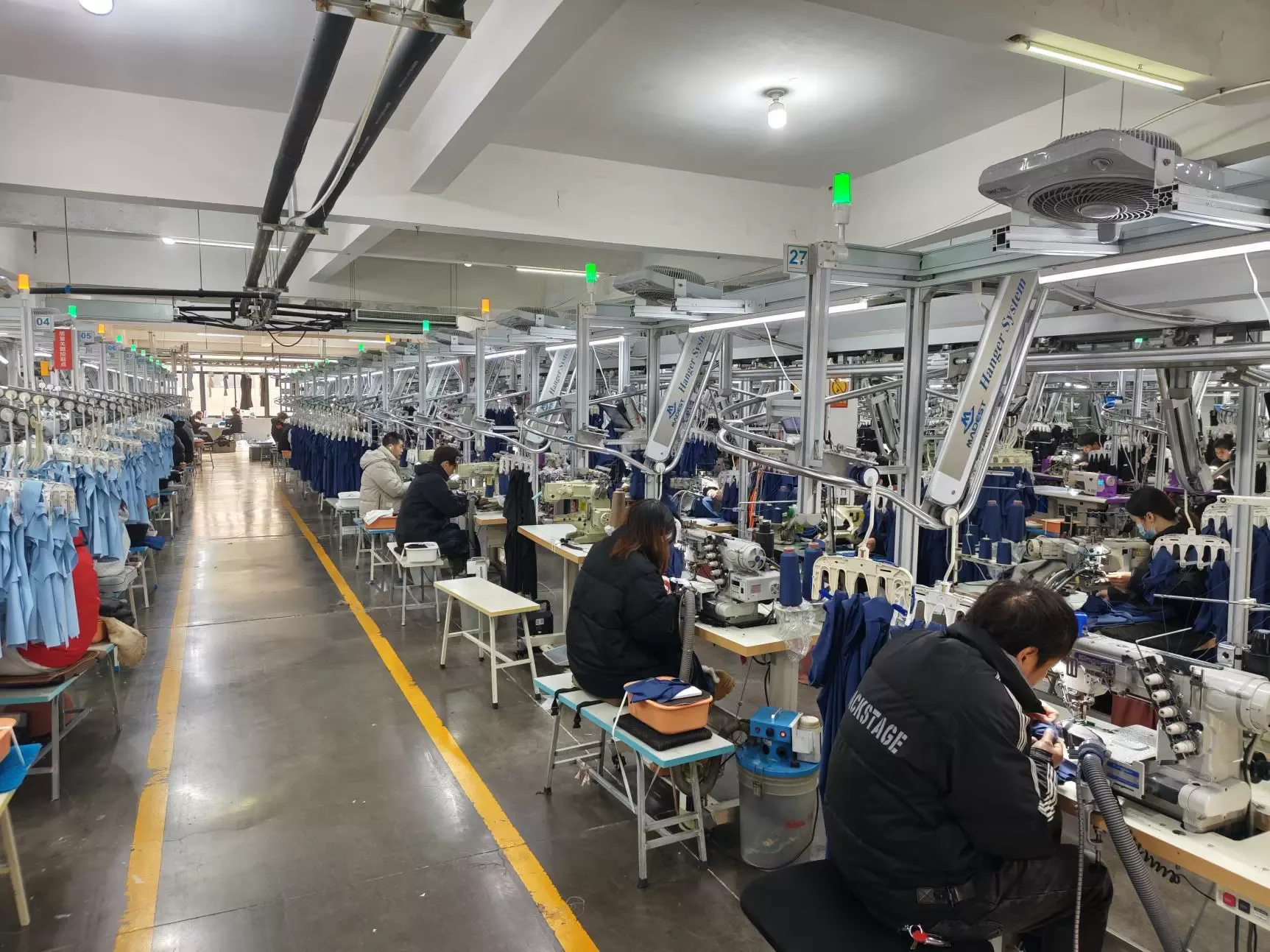
The floor your yoga wear runs on
Your order runs on our own floor: 18,000+ m² in Humen, Dongguan, 4 production lines, 180+ staff, 150,000–200,000 pieces a month, ISO 9001 certified since 2009. Everything above is easier to trust when you can see where it happens — these are the facts about the facility, and you are welcome to check them.
18,000+ m²own facility in Humen, Dongguan
4production lines
180+staff on the floor
150k–200kpieces per month
ISO 9001certified quality system
Since 2009knitwear manufacturing
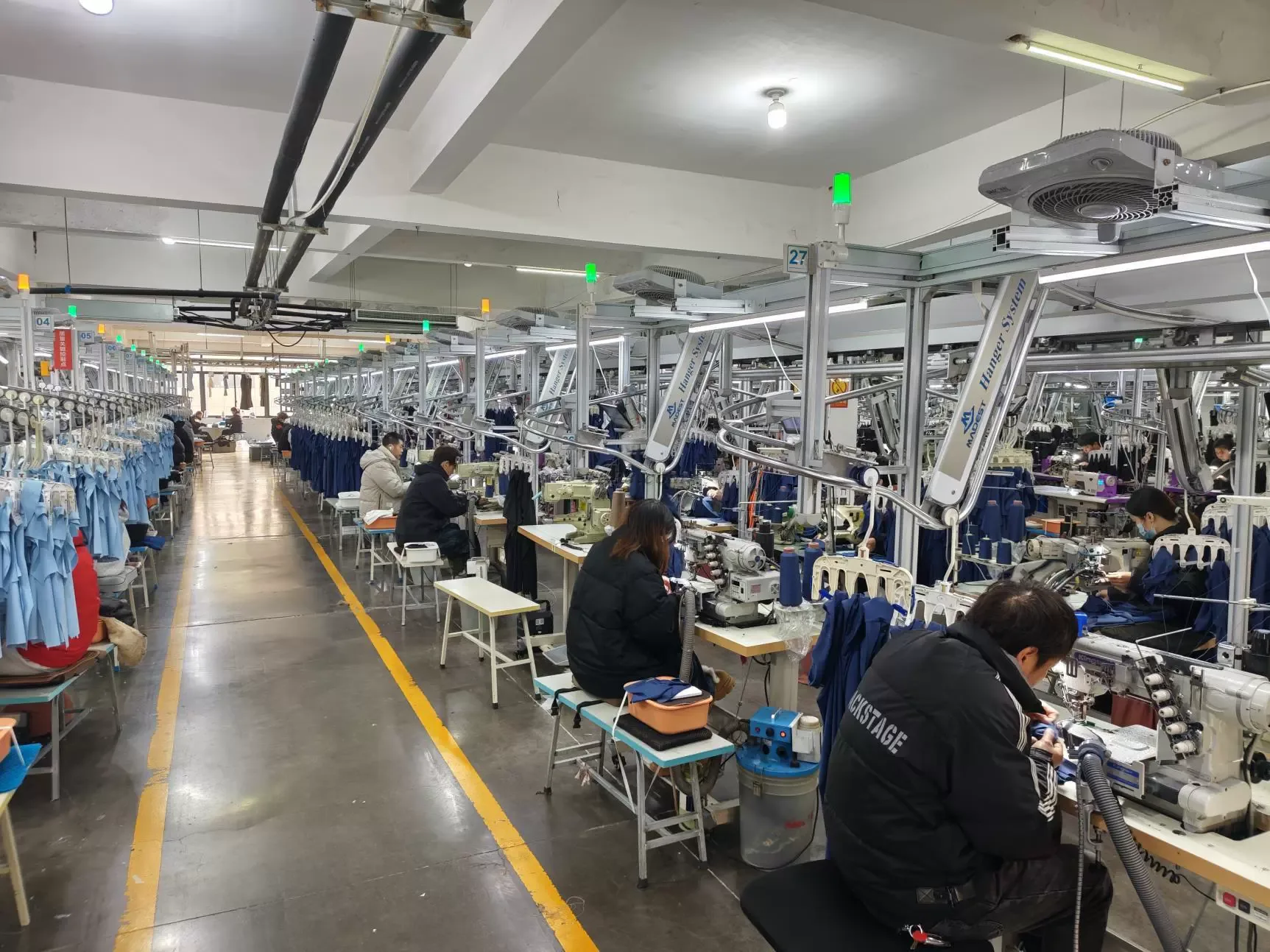
The production floor — available to walk in person or by live video.
Come and look
We are a manufacturer with our own floor, not an agent working through one. If you want to see the lines, the testing bench or the packing area before you commit, we will run a live video walkthrough of the floor at a time that suits your timezone, or host you in Dongguan.
The same applies to paperwork: certificates, test reports and inspection records go out with the order rather than on request.
Factory visit: by appointment, Humen, Dongguan, Guangdong.
10Questions buyers ask
What is your MOQ for yoga wear?
Our MOQ is 100 pcs per style per colour for cut-and-sew programmes, and 200 pcs per style per colour where the style uses bonded or seam-sealed construction. Sizes can be mixed freely inside a style, so a 100-piece order can carry your full size run in one colour. Most first collections start with two or three styles at the minimum and grow on the second order once the fit and the fabric are settled — that is the normal path, and we quote it the same way we quote repeat business. If your programme needs a smaller test batch, tell us what you are trying to learn and we will tell you what is possible.
What is MOQ in clothing manufacturing?
MOQ, or minimum order quantity, is the fewest pieces a factory will accept for one order — in our case counted per style per colour, not per order total. A manufacturer sets an MOQ because fabric is dyed, cut and run in batches: dye houses have minimums, markers waste less on bigger lays, and production lines are set up per style. On this page our MOQ is 100 pcs per style per colour for cut-and-sew yoga wear and 200 pcs for bonded and seam-sealed construction. When you compare factories, always ask whether the MOQ is counted per style, per colour, or per order — the same number can mean three different commitments.
Can I mix sizes and colours in one order?
Yes. Sizes can be mixed freely inside a style — a 100-piece order can carry a full graded size run in a single colour. The MOQ applies per style per colour, so each additional colourway you order needs its own 100 pieces (200 for bonded construction). A typical first collection runs two or three styles in two or three colourways. If you want to test more colours with fewer pieces per colour, tell us at the quoting stage: fabric availability and dye-lot minimums decide what is workable, and we would rather give you a straight answer early than a surprise later.
How much does it cost to start a yoga clothing line?
The cost of a first yoga clothing line comes down to three things: how many styles you run, the fabric you choose, and the order quantity per colour. Sampling is the smallest part — first fit samples take 3 to 7 days and are quoted per style. Production at the 100-piece minimum keeps the first order small on purpose, so you are funding one dye lot per colour rather than a warehouse. Because pricing moves with fabric weight, blend and trims, we quote per programme after seeing your tech pack or reference garments: send us what you have, and you get a costed quote with fabric options rather than a guess.
How do I find a yoga wear manufacturer for my brand?
Start by writing down what you actually need: product types, fabric preferences, your realistic order quantity per style per colour, and the certifications your market expects. Then ask every factory the same short list of questions: What is your MOQ per style and per colour? How long do samples and bulk take? What tests do you run, and can I see the reports? Can I see the floor by video? A manufacturer who answers with specific numbers in the first reply is set up to work with small brands. We answer all of these on this page, and a tech pack sent through our RFQ form gets a feasibility reply and a preliminary costed quote within 24 hours.
How long do samples take?
First fit samples take 3 to 7 days once the tech pack and lab dips are agreed. A wearable sample comes in your target fabric with a measured spec card — GSM, stretch, recovery and colourfastness readings attached. Revisions run 2 to 4 days each, with one numbered version of the record so nothing is lost between rounds. The pre-production sample, made in the bulk fabric once it lands, takes another 5 to 7 days and is measured against the sample you sealed. Bulk production starts only after you approve it.
How long does a first order take from start to finish?
A first programme typically runs 6 to 9 weeks from an approved tech pack to dispatch: 2 to 3 weeks for fabric sourcing, lab dips, sampling and approvals, then 3 to 5 weeks for bulk production and packing. Transit time is on top of that. Repeat orders are shorter, because the fabric, the pattern and the trims are already settled. Where a stage pushes past its window, you hear it from us before the date, not after — weekly production snapshots are standard during bulk.
Which fabrics can you work with?
Nylon-spandex for the softest hand feel and best opacity per gram (220–260 GSM for full-length leggings), polyester-spandex for faster drying, lower cost and sublimation printing (230–240 GSM typical), and recycled polyester-spandex with GRS documentation arranged to your order. For warm-up layers we run cotton-rich and poly-blend fleece at 240–320 GSM, and we knit ribbed cuffs and hems on our own floor. We quote weight and blend together, never one without the other, because 220 GSM nylon and 220 GSM polyester behave differently. Fabric swatch cards with composition and GSM go out with every quote.
How do you make sure leggings are squat-proof?
We test the lightest colourway in your range first, holding fabric at working extension over a contrasting board, and we test every colourway separately — a fabric that passes in black can go sheer in pale grey. Six decisions have to agree: weight and blend taken together, knit structure, spandex content and recovery, yarn coverage, colour, and pattern fit. The readings — weight, blend, structure, recovery at 30/50/80% extension, and the opacity result — are sent with the sample rather than waiting to be asked, so the bulk fabric can be compared against the sample you approved.
Do you do seamless as well as cut-and-sew?
Yes. Cut-and-sew covers most programmes and starts at 100 pcs per style per colour — it gives you the widest choice of fabric, colour and print, and pattern changes are straightforward. Seamless and bonded construction runs on our bonded line at 200 pcs per style per colour: bodies come off the machine close to finished shape, with fewer side seams to chafe, and bonded or taped edges close without a stitch line — that is how a clean, flat waistband or a no-show leg opening gets made. It suits programmes with a stable design and repeat volumes.
Can you match Pantone colours?
Yes. We work to Pantone references and send lab dips for approval before bulk dyeing, so colour is signed off before any fabric is bought. Lab dips take 3 to 5 days and run alongside pattern making. Matched sets — a bra and legging in the same dye lot — are the case where colour consistency matters most, and we cut both garments from the same lot where the programme allows it. Deep blacks and navies get fastness checks (grade 4 or better to washing and perspiration) before they are released to production.
What sizes can you produce?
Any size set you specify, including plus size, petite, tall, maternity and kids, on US, EU or Asian grading. Extended sizes are graded from the standard block rather than scaled up, with waistband tension and rise adjusted at each size so the fit holds at the top of the range. We confirm waist, hip, rise and inseam on the sample before grading the range, and the graded spec goes out with the pre-production sample for your sign-off.
Do you provide private label packaging?
Yes. Woven labels, care labels, hangtags and polybags are made to your artwork, and retail-style gift boxing is quoted separately. On the garment itself, four branding methods cover most requests: sublimation for all-over prints, screen print in elastic ink, embroidery for wordmarks and crests, and heat transfer or silicone marks for flat, flexible labels. We can work from AI, EPS or high-resolution PDF artwork, and we sign an NDA on reasonable request before development starts.
Can I see the factory before I place an order?
Yes. We run live video walkthroughs of the production floor, the testing bench and the packing area at a time that suits your timezone, or host you in Humen, Dongguan by appointment. We are a manufacturer with our own floor — 18,000+ m², 4 production lines, 180+ staff, ISO 9001 certified since 2009 — not an agent working through one. Certificates, test reports and inspection records go out with the order rather than only on request.
Can you ship door to door?
Yes. We quote EXW, FOB Shenzhen Yantian, or DDP to your address, depending on how you prefer to handle freight — air, express and sea options are quoted per programme. Payment is T/T with a deposit and the balance before shipment, and full container orders can run L/C at sight. Every order ships with an AQL 2.5 final inspection report, packed to your label, hangtag and carton spec, and one production manager owns your programme from first file to shipment.
Send us a tech pack and we will tell you what is possible
Share a sketch, a measurement sheet or a reference garment and we will come back with fabric options, a costed quote and a sampling plan. One production manager owns your programme from first file to shipment.
Request a quote +86 158 7649 3800