
Scan the WeChat code to contact us
Scan the WeChat code to contact us
“Seamless” gets used loosely in this category, and the confusion costs buyers real money. Some suppliers mean a garment with fewer seams; some mean bonded construction with no stitching at all; some mean a tubular-knit body. They are different products with different price points, different durability and different failure modes — and the quote you get depends entirely on which one the factory assumes you meant.
SLSPOLO has manufactured knitwear for export since 2009, including our seamless bonded range. This page defines the constructions precisely, explains where bonded quality is won or lost, and sets out what to send for a quote that does not need three rounds of correction.
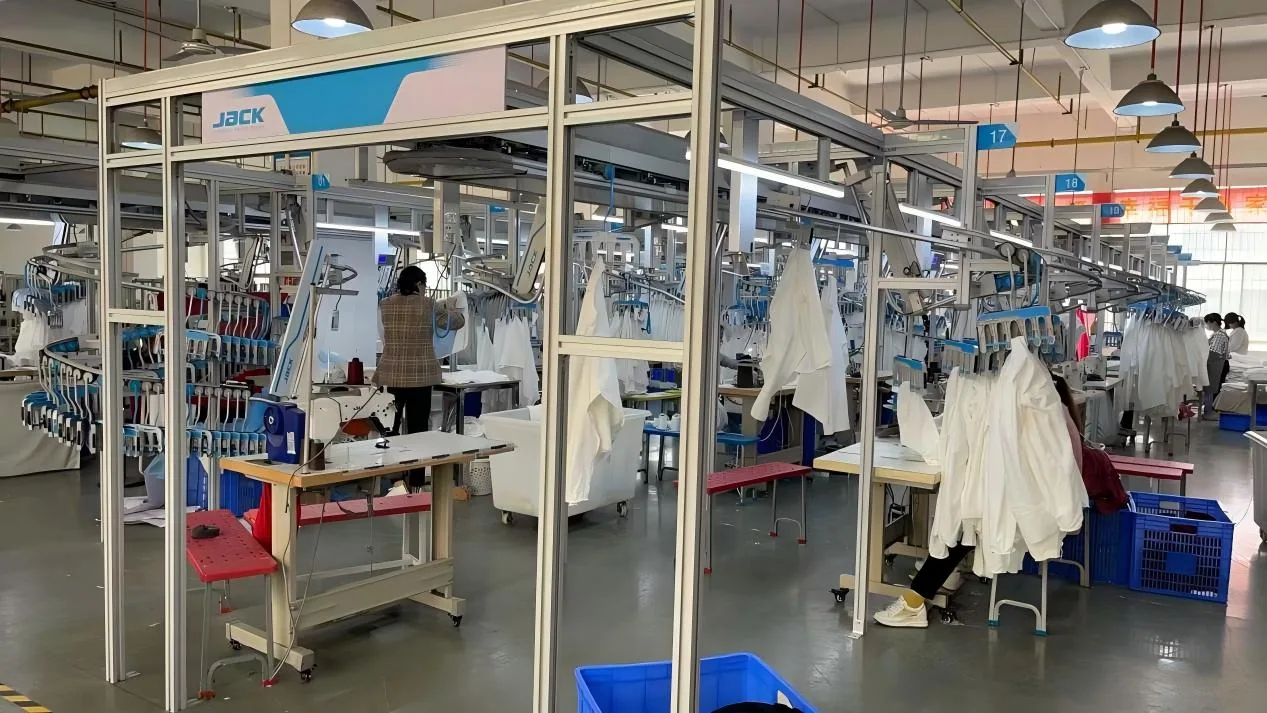
Four constructions carry the label. Fixing which one you mean is the first specification decision, and everything downstream — price, MOQ, durability — follows from it.
Our current seamless and bonded shapes are in the seamless bonded category, and our buyer’s guide to seamless polo construction goes deeper on when bonded construction earns its premium — and when it does not.
Not every knit accepts adhesive film well. Bond strength depends on the fibre, the fabric finish and the temperature window the knit tolerates — which is why fabric selection for a bonded garment is a technical decision, not just a hand-feel one.
Whatever the fibre, the surface finish matters: silicone finishes that feel beautiful can block adhesion. Tell us the fabric and we will tell you honestly whether it bonds — before sampling, not after.
Bonded construction replaces a sewn seam — a century-old, forgiving process — with an industrial one that is not. The failures are specific and all preventable at specification:
Ask any supplier — including us — how many wash cycles their bond is validated to, and insist on the peel-test method. Vague answers are the norm in this category; insist on a number.
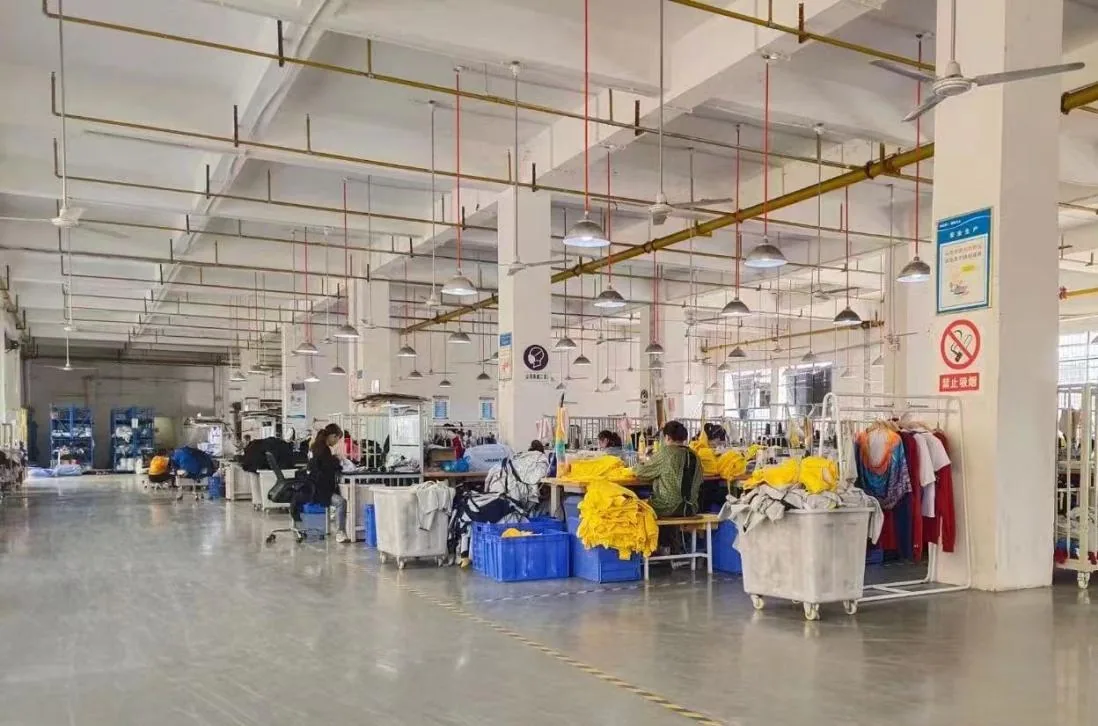
Decoration interacts with bonding more than buyers expect. Needle penetration defeats the whole point of a stitchless surface, and heat-sensitive zones limit press methods.
Our published minimums sit between 50 and 220 pieces per style. Seamless and bonded builds generally sit at the top of that range: the bonding set-up is qualified per style, and spreading that set-up over more pieces is what makes the unit economics work. Stock shapes from our range with your branding start lower.
Our plant is certified to ISO 9001, and bonded construction is where that discipline earns its keep — the process tolerates far less improvisation than sewing.
The honest comparison: a bonded polo will cost more than its sewn equivalent. Whether it earns the premium depends on your customer — for premium retail and technical ranges it usually does; for volume basics it usually does not. Our general polo programme covers the sewn route at lower cost.
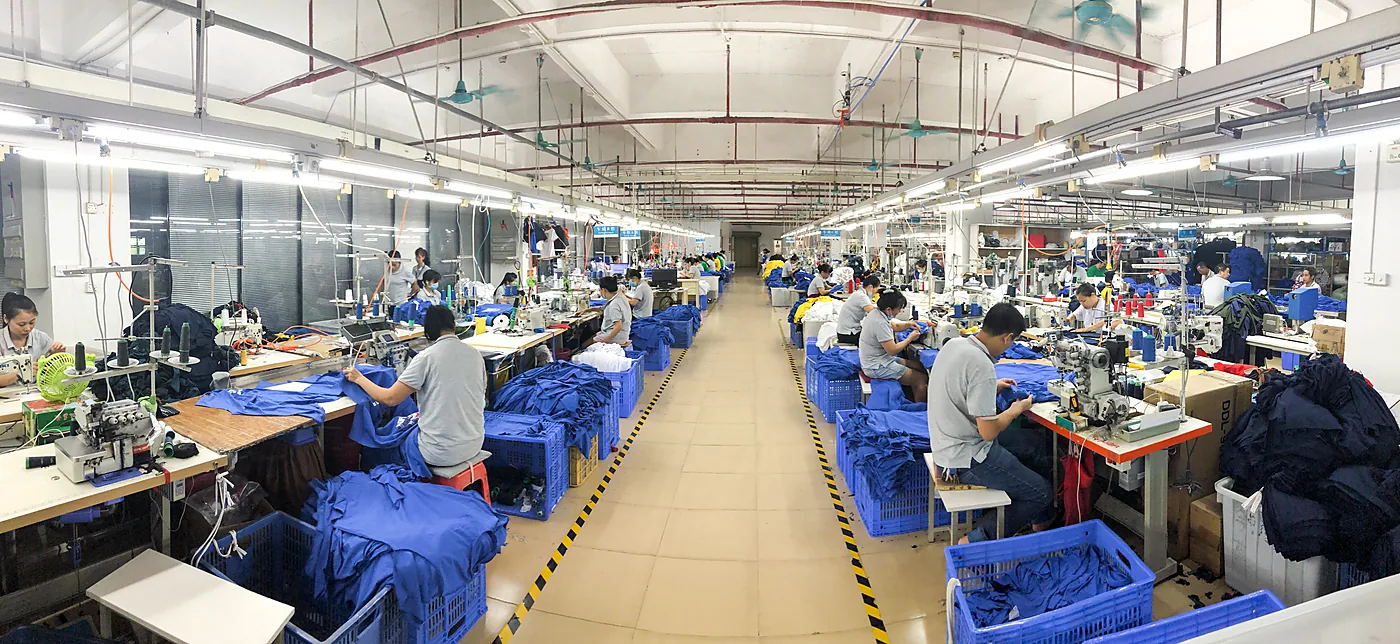
We operate 18,000+ m² across two plants with around 180 skilled workers on four production lines, producing 150,000–200,000 pieces per month. Our main plant is in Humen, Dongguan, with a second plant in Hunan. Details are on the about page, and you are welcome to visit the factory before committing to bulk.
If your programme spans both worlds, note that golf and team builds run on the same lines — see our golf polo manufacturing page — and bonded and sewn orders can be consolidated into one shipment.
If you are not sure which construction fits your price point, say so in the first message. We will price both the bonded and the sewn equivalent so the decision is a number, not a guess.
It gets used for three different constructions: bonded (panels joined with adhesive film instead of stitching), tubular-knit (the body knitted in a tube with no side seams), and taped (sewn seams reinforced with bonded tape). They differ in price, durability and look. Tell us which one you mean and the quote is exact; leave it open and every factory will assume the cheapest.
Between 50 and 220 pieces per style, with bonded builds generally sitting at the top of the range because the bonding set-up is qualified per style. Adapting a stock bonded shape from our range starts lower.
A properly qualified bond survives normal laundering for the life of the garment; the failures you see in the market come from bonds that were never wash-validated. Ask any supplier for the peel-test method and the number of wash cycles the bond is validated to — we wash-test sampled garments through repeated cycles before bulk release.
It is possible but needs qualification: cotton surfaces take adhesive less readily and wash durability must be proven. Polyester interlock with elastane is the reliable default. Send us the fabric and we will give you an honest answer before sampling.
Yes, away from bonded zones — but it reintroduces stitching to a stitchless garment. Most clients on bonded builds choose heat transfer, silicone or laser-cut brand marks instead, which keep the surface uninterrupted.
Yes, and we encourage it. Our plant is in Humen, Dongguan, Guangdong. Arrange a visit through the factory visit page, or reach us at salesman8@yctshirt.cn to fix a date.
Tell us which construction you mean and your target price — we will quote the bonded build and the sewn equivalent side by side.
Request a Quote | Book a Factory Visit | Email salesman8@yctshirt.cn | WhatsApp +86 158 7649 3800