Hoodie Manufacturer in China — Custom & Bulk Orders
A hoodie is the garment where buyers get burned most often on weight. Two samples can look identical in a photograph and feel like different products in the hand, because the difference is in grams per square metre, whether the fleece is brushed, and how much spandex is in the rib — none of which shows up in a photo. By the time the bulk arrives at 260 gsm instead of 420, the price you negotiated no longer means anything.
SLSPOLO has been making knitwear and sportswear for export since 2009. This page sets out what we build, which specifications actually move the cost and the hand feel, and what to send us so the first quote is the last one you need. Everything below reflects how our own lines run.
Hoodie Styles We Manufacture
We run six base constructions, and the fastest way to start is to pick the one closest to your target rather than describe it from scratch. There are currently 116 shapes in our hoodie category; send us the closest one, or a photograph of a garment you want to match, and we will work from there.
Pullover hoodie — the default. Kangaroo pocket, ribbed cuffs and hem, lined or unlined hood.
Full-zip hoodie — zip-through front, usually a #5 or #8 coil or metal zip. Slightly more labour and a zip cost line; easier to merchandise as a mid-layer.
Oversized and drop-shoulder — wider body, dropped shoulder seam, heavier rib. The current streetwear standard and the one where gsm matters most.
Heavyweight (400–500 gsm) — dense brushed-back fleece, minimal drape, holds its shape. Popular for premium blanks and print brands.
French terry and lightweight (240–320 gsm) — loopback knit, no brushing. Breathable, for layering, resort and spring programmes.
Cropped, sleeveless and hybrid builds — cropped bodies, hooded vests, and sweatshirt bodies without a hood. Same knits, different cutting.
If your programme spans more than one category, note that we run t-shirts and jersey and polo shirts on the same knitting base — consolidating across them is usually cheaper than splitting the order.
Fabric: Fleece Weight and Knit Structure
Weight is the first number to fix and the one that quietly decides everything else. Fleece is quoted in gsm, and the gap between a 280 gsm and a 450 gsm body is not a finishing detail — it is a different garment with a different price, a different drape and a different customer.
Brushed-back fleece, 280–420 gsm — the mainstream. The inside face is brushed to raise a soft nap. Heavier weights read as more expensive and survive repeated washing better.
Heavyweight fleece, 420–500 gsm — dense, structured, minimal stretch. Requires the right knitting machine and slower sewing; expect a longer lead time and a higher minimum.
French terry, 240–320 gsm — loopback on the inside instead of brushed. Lighter, cooler, and the standard for warm-weather and resort programmes.
CVC and poly-cotton blends — cheaper, more stable, faster drying, and much less likely to pill. The usual answer for uniform and promotional volume.
Recycled polyester and cotton blends — available with traceability documentation where your market requires it. Ask for the paperwork before you commit, not after.
Two things to specify explicitly: whether the face is combed ring-spun (smoother, prints cleaner, pills less) and whether the rib contains elastane. A rib without elastane will not recover after washing, and it is the most common reason a hoodie looks tired after three laundries. Our hoodie sourcing guide goes deeper on matching fabric to end use.
Hood, Pocket and Rib: The Details Buyers Notice
These components decide whether a hoodie feels considered or generic. None of them appear on a mood board, and all of them belong in your spec.
Hood construction — two-panel or three-panel, self-fabric or contrast lining, and whether the hood is double-layered. A three-panel hood wraps the head better; a lined hood holds its shape when it is down.
Drawstrings — flat or round, cotton or polyester, dipped or metal tips, and whether the eyelets are metal or embroidered. For children’s garments, drawstring length and construction are regulated in most markets — tell us the age range and destination.
Pocket — kangaroo, welt, or none. Kangaroo pockets need reinforcement at the side seams or they will tear under load.
Cuffs and hem — 2×2 rib with elastane, rib depth, and whether the hem is straight or shaped. Rib depth above 6 cm reads as premium.
Shoulder and seam construction — set-in or raglan sleeve, flatlock or overlock seams, and whether the neck seam is taped. Taping the neck seam is a small cost that most buyers only notice when it is missing.
Print, Embroidery and Patch Branding
Hoodies are built to carry graphics, which is why decoration fails more visibly here than on any other knit. Plastisol on a heavyweight body behaves differently from a water-based ink on french terry, and a pocket seam running through the artwork will break a design that looked fine flat.
Screen print — the volume default, priced per colour per placement. Plastisol sits on top with strong opacity; water-based inks soak in for a softer hand on lighter garments.
Puff and high-density print — raised texture. Needs controlled cure temperature or it will crack after washing.
DTG (direct to garment) — full colour without screen charges. Right for short runs and detailed artwork; slower per piece and works best on high-cotton faces.
Embroidery and chenille — durable and premium. Hoodies give you more placement room than polos, but heavy designs on fleece need the right backing or the nap will show through.
Woven labels and patches — hem tags, sleeve patches, and chenille lettering. Usually the cheapest way to make a blank look branded.
Sublimation — polyester only. Unlimited colour across the panel with no hand feel penalty; not an option on cotton fleece.
Tell us the placements, the print method you have in mind and the artwork size, and we will flag any conflict with a pocket, seam or zip before sampling starts rather than after.
Minimum Order Quantity, Sampling and Lead Time
Our published minimums sit between 50 and 220 pieces per style. Stock shapes start at the lower figure; a fully custom build — new knit, new pattern, new colourways — sits at the top of that range. Where you land depends on how much of the base garment you change, not on negotiation.
Sampling — 3–7 days for a stock shape with your branding and print. Longer if the build needs a new pattern or a fabric knitted to order.
Bulk production — 15–25 days after sample approval and deposit, depending on order size and fabric availability. Heavyweight fleece and custom colours add time on the knitting side.
Repeats — faster, because the pattern, grading and approved reference sample already exist.
Sample cost depends on how much work the sample actually is: printing an existing blank from our showroom is not the same thing as cutting a fresh pattern in a custom colour. Ask us to quote both the sample and the bulk together so you can see the two numbers side by side.
Quality Control Before Shipment
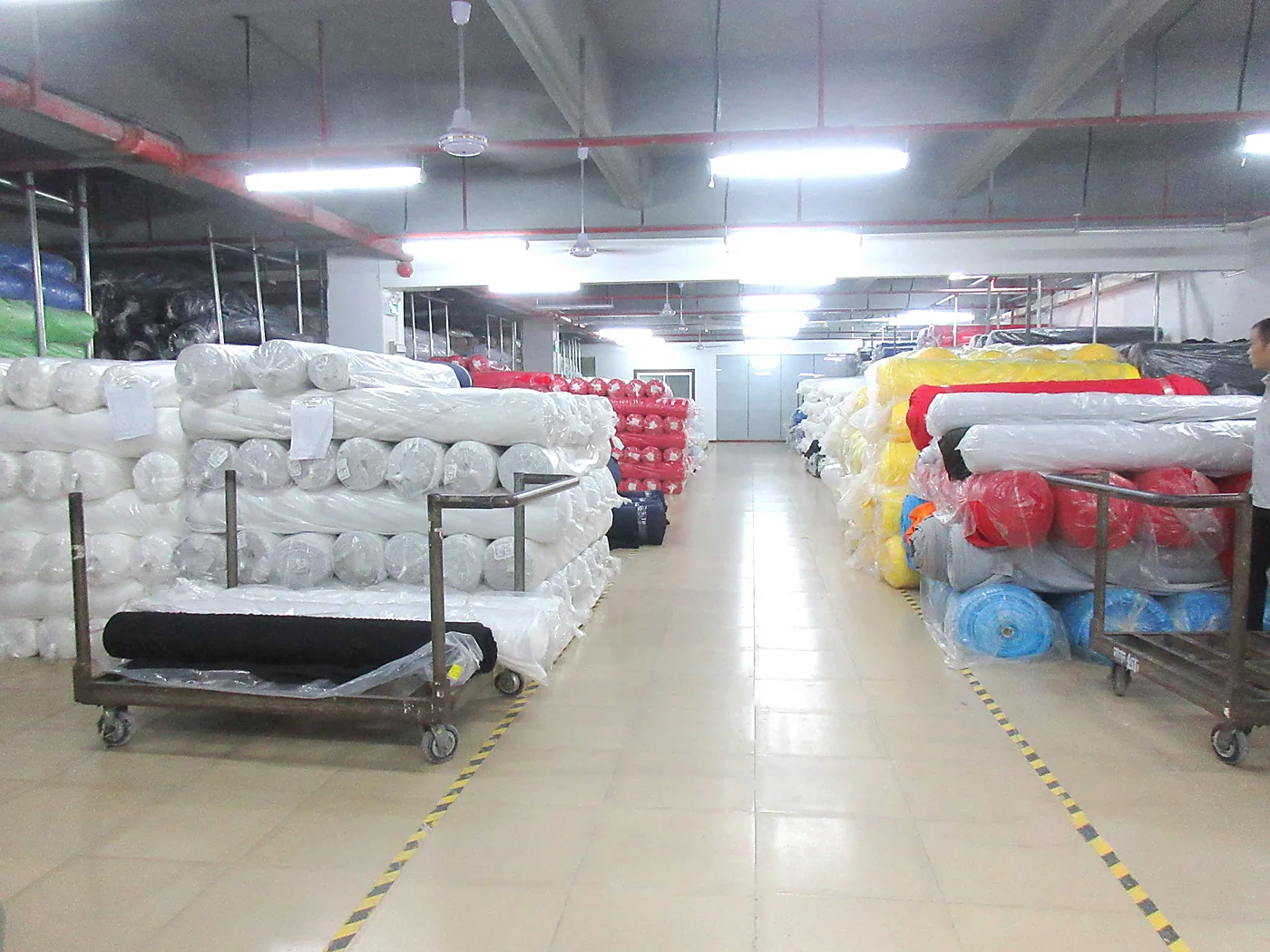
Inspection runs at three points, not one: fabric arriving at the plant, in-line checks while the run is on the line, and a final check against your approved reference sample before packing. Our plant is certified to ISO 9001.
Weight verification — the delivered gsm measured against what was specified. This is the single most common discrepancy in hoodie programmes and the easiest to check.
Pilling and abrasion — brushed fleece pills if the yarn is short-staple or the brush is too aggressive. Checked before bulk cutting, not after delivery.
Rib recovery — cuffs and hem pulled and released to confirm they return to shape.
Print adhesion — wash and stretch testing on decorated panels, including a crack check on puff and high-density prints.
Dimensions — measurements across the full size run against your spec sheet, not just the sample size.
Shrinkage — confirmed by a wash test before bulk cutting, so the graded pattern already accounts for it.
How Hoodie Pricing Is Actually Built
Two brands can buy a visually identical hoodie and pay 40% apart. Almost all of the gap comes from five variables.
Gsm and fibre — the base cost, and it scales almost linearly with weight. A 500 gsm body uses roughly twice the yarn of a 260 gsm one.
Knit structure — brushed fleece, loopback terry and interlock all carry different knitting time and yield.
Hardware — a branded zip versus a generic one, metal tips versus dipped drawstrings, metal eyelets versus embroidered ones. Small per piece, visible across a run.
Decoration — each additional colour, placement and pass adds handling on every single garment. Oversized prints cost more than chest prints for the obvious reason.
Quantity, colourways and size spread — spreading one set-up across five colours instead of one changes the unit economics more than most buyers expect, and extended sizes carry a fabric surcharge.
If you have a target price, tell us upfront. We would rather adjust the build to reach it honestly — lower gsm, simpler pocket, generic hardware, fewer print passes — than cut quality where your customer will find it in the third wash.
The Factory Behind the Quote
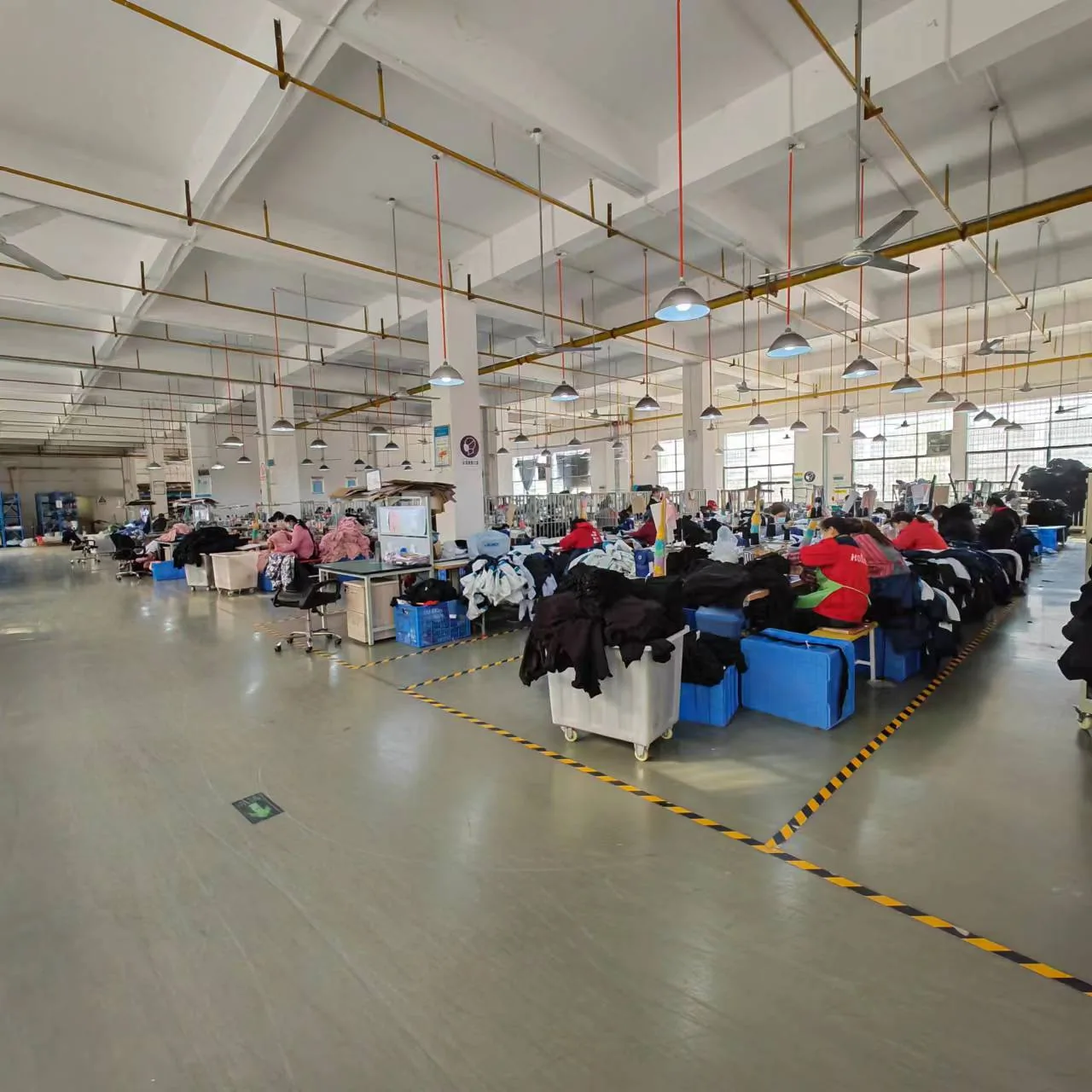
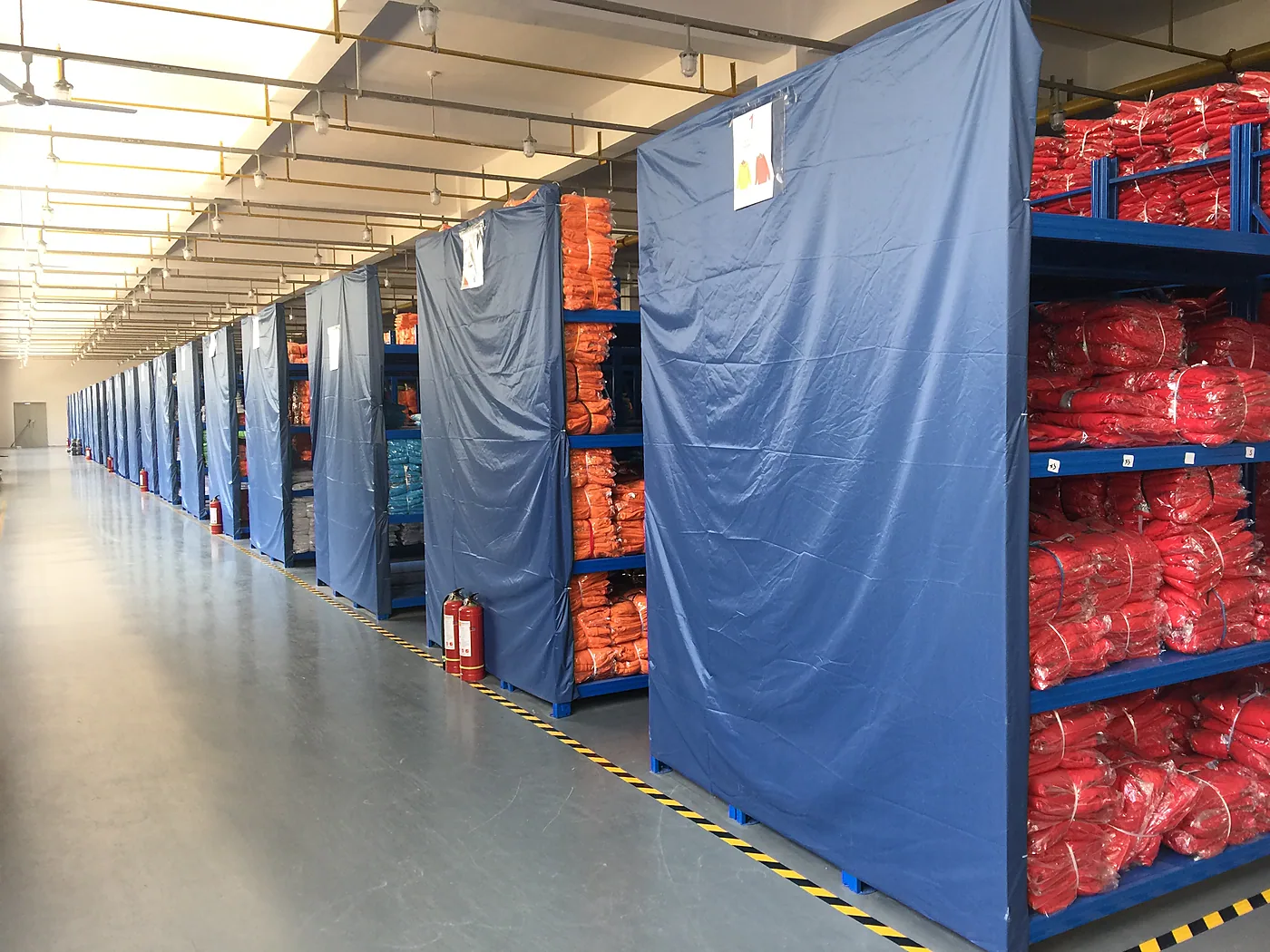
We operate 18,000+ m² across two plants, with around 180 skilled workers on four production lines and a monthly output of 150,000–200,000 pieces. Our main plant is in Humen, Dongguan, in the Pearl River Delta knitting belt, with a second plant in Hunan handling additional volume. Full detail is on the about page, and you are welcome to visit the factory before committing to bulk.
What to Send for an Accurate Quote
Six items are enough for us to price accurately in one round:
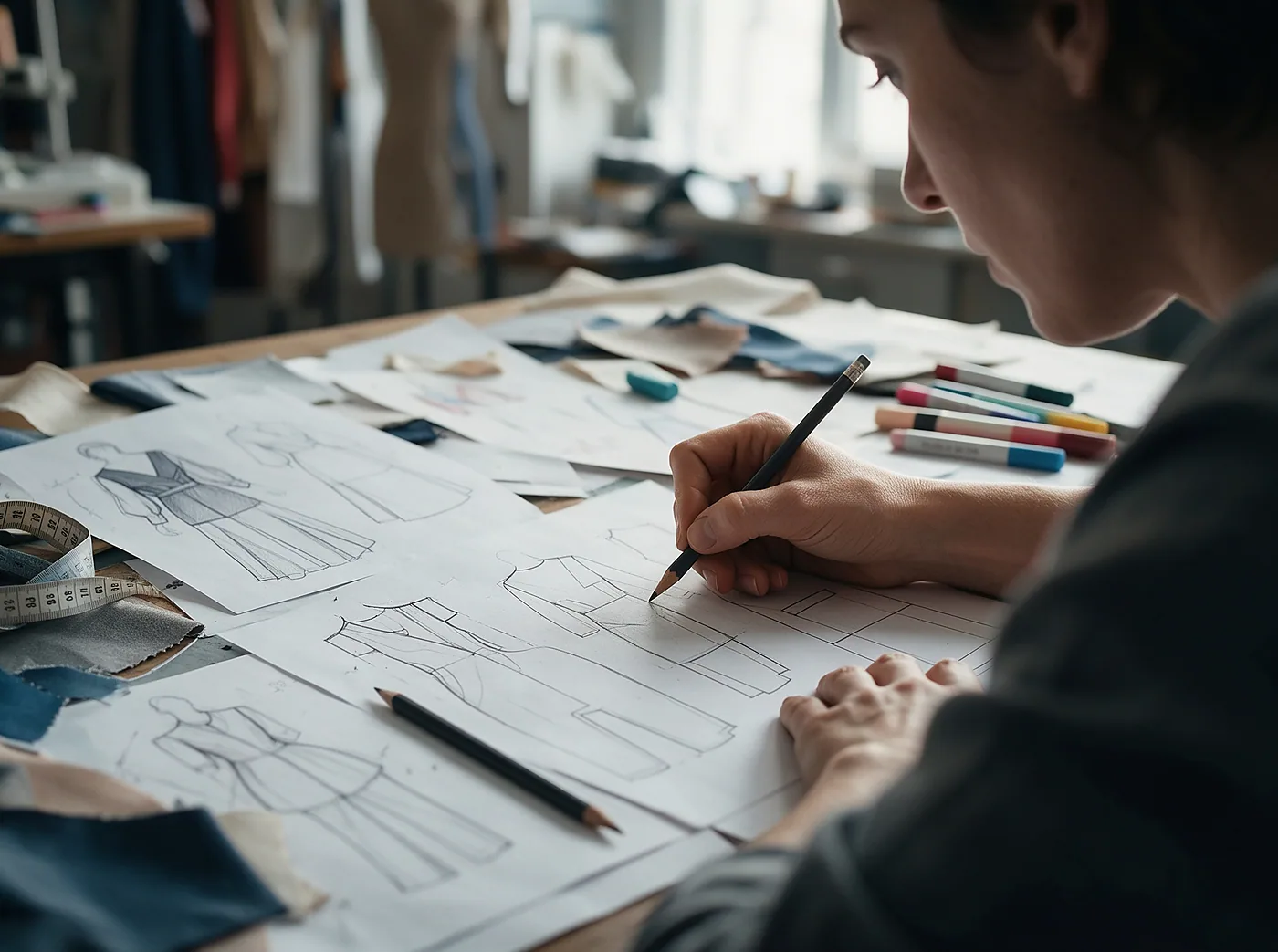
The reference — a tech pack, or failing that photographs of a garment you want to match.
Fabric: composition, knit structure and target gsm (or the hand feel you are aiming for).
Hood, pocket, rib and hardware details, including zip brand if you have a preference.
Size range and grading — US, EU or Asian blocks, and whether you extend past XXL.
Quantity per colourway, plus every decoration placement and method.
Target price and your port or delivery terms — FOB Shenzhen and Hong Kong are our usual baselines.
Artwork can follow later. Vector files are preferred for print separations and embroidery digitising, and we will confirm placement against the pattern before anything goes to bulk.
Frequently Asked Questions
What is the minimum order quantity for custom hoodies?
Between 50 and 220 pieces per style. Stock shapes from our showroom start at the lower figure; a fully custom build with its own knit, pattern and colourways sits at the higher one. Heavyweight fleece knitted to order can carry a higher minimum because of the knitting run.
How long does a custom hoodie order take?
Sampling takes 3-7 days for a stock shape with your branding and print. Bulk production runs 15-25 days after you approve the sample and release the deposit. Custom colours and heavyweight knits add time on the fabric side. Repeat orders are faster because the pattern and reference sample already exist.
Can you make heavyweight hoodies at 400-500 gsm?
Yes. Heavyweight brushed-back fleece is one of our regular constructions. Be aware that it needs the right knitting machine, sews more slowly and uses roughly twice the yarn of a mid-weight body, so both the price and the lead time move accordingly.
Which print method should I use on fleece?
It depends on the artwork and the run. Screen print is the volume default and priced per colour per placement; DTG suits short runs and detailed artwork on high-cotton faces; puff and high-density give raised texture but need controlled curing or they crack. Send us the artwork and we will recommend one and flag any conflict with a pocket, seam or zip.
Can you add custom neck labels, hem tags and packaging?
Yes. Woven neck labels, printed care labels, hem tags, hangtags, individual polybags and carton packing are quoted as part of the trim package. If you want the flexibility of small runs, ask us which items can stay generic — that is usually where the saving is.
Can you supply children’s hoodies with compliant drawstrings?
Yes, but tell us the age range and destination market before we quote. Drawstring length and construction are regulated in most markets, and the compliant build is specified at the sampling stage rather than corrected later.
Can I visit the factory before placing a bulk order?
Yes, and we encourage it. Our plant is in Humen, Dongguan, Guangdong. Arrange a visit through the factory visit page, or reach us at salesman8@yctshirt.cn to fix a date.
Send us the reference, the gsm you want and your target price — we will come back with one quote and the options behind it.